When selecting a faucet, many homeowners wonder, "Why do some faucets work better than others?" This question leads to insights about the technology and design behind faucets. Not all faucets are made equal. Various factors contribute to their performance.
Quality materials play a crucial role. Faucets made from durable, corrosion-resistant materials tend to last longer and function better. Additionally, the valve mechanism impacts water flow and pressure. Some faucets provide a steady stream, while others struggle to deliver.
Design also matters. A well-designed faucet enhances usability. This includes the ease of adjusting temperature and flow. After careful evaluation, some models outshine others. However, it's essential to remember that perfection is subjective. What works for one may not suit another's needs. Exploring these elements can guide you in choosing the best faucet for your home.
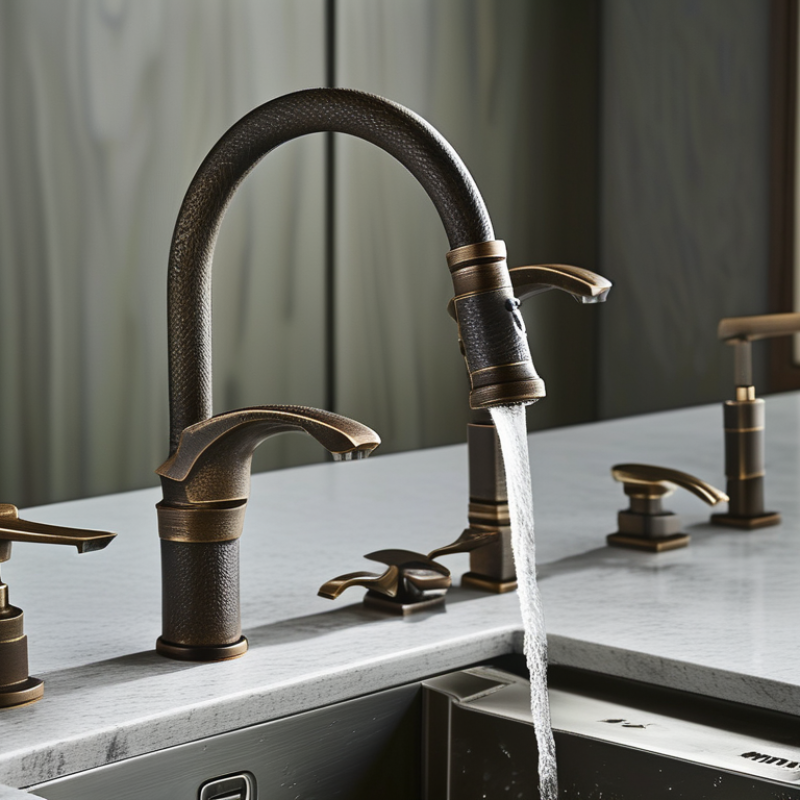
Faucet performance plays a vital role in household water use. The efficiency of a faucet impacts not only water conservation but also overall convenience. A high-performing faucet delivers a consistent flow rate. It enhances your daily routines, whether washing hands, doing dishes, or filling a pot.
Inadequate faucet performance can lead to frustration. If the water flow dribbles, tasks take longer. This inefficiency can waste both time and water. Households might not realize the cumulative effect of a poor faucet. Regular usage of a subpar model may lead to increased water bills.
Understanding faucet performance helps make informed choices. Factors like flow rate, aeration, and ease of use matter. Fixtures that combine these features often outperform others. Evaluating these aspects ensures you select a suitable faucet. Take the time to assess your current faucet. Reflect on its performance during everyday tasks. It may not be perfect, but recognizing areas for improvement can lead to significant changes.
When choosing faucets, materials and finishes play a vital role. High-quality faucets often use solid brass construction. This choice ensures durability and resistance to corrosion. Unlike plastic, brass holds up well against frequent use. A variety of finishes can enhance both the faucet's look and its longevity. Polished chrome offers a bright shine, while brushed nickel provides a more subdued elegance.
Another critical aspect to consider is the finish's resistance to scratches and water spots. Many modern finishes use advanced technology to minimize these issues. However, even the best options may require occasional maintenance to keep them looking pristine. User experiences vary, as some finishes show wear faster than expected. Judging the reliability of a faucet isn’t always straightforward.
Aesthetically pleasing faucets can still suffer from performance issues. It's essential to align beauty with functionality. Functional design often includes features like easy installation and trouble-free cleaning. Users frequently overlook these details during purchase. Committing to quality materials and thoughtful design can result in a faucet that truly stands the test of time.
| Feature | Description | Importance |
|---|---|---|
| Material | High-grade metals such as brass, stainless steel, and bronze are resistant to corrosion and wear. | Durability and longevity of the faucet. |
| Finish | Various finishes like chrome, nickel, and matte black not only enhance appearance but improve resistance to scratches. | Aesthetic appeal and maintenance. |
| Flow Rate | Measured in gallons per minute (GPM); optimal flow rates balance water efficiency with performance. | Water conservation and performance. |
| Aerator Type | Different aerator types influence water flow and conservation capabilities. | Effectiveness in water savings. |
| Installation Type | Options include single-handle, double-handle, pull-down, and pull-out faucets. | Ease of use and versatility. |
| Warranty | A strong warranty period indicates manufacturer confidence in product durability. | Protection against defects and assurance of quality. |
When selecting a faucet, understanding flow rate is crucial. Flow rate, measured in gallons per minute (GPM), directly affects water efficiency. A higher GPM means a stronger water flow. Yet, too much flow might waste water, leading to higher bills. Consider how the flow rate suits your needs. If you wash dishes often, a quicker flow might be ideal. But, for the environment, balance is key.
Tips: Look for flow restrictors. These can limit the GPM without sacrificing performance. It’s an easy way to save water. Also, think about your daily tasks. If you fill pots or clean large items, a higher flow rate can be beneficial.
Insufficient flow can frustrate users. Low flow rates may require longer wait times. Take note of how a faucet feels. Inconsistent pressure is a drawback. You want reliability with each use. Testing different models ensures you make a wise choice. Always prioritize usability alongside efficiency.
This bar chart illustrates the flow rates of various kitchen faucets measured in gallons per minute (GPM). Understanding these values can help consumers make informed decisions when selecting faucets based on efficiency and usability.
When comparing different faucet technologies, it is essential to explore the differences between standard and touchless models. Standard faucets require manual operation, emphasizing user control. These faucets often come in various styles, allowing personal expression in home design. However, they're not always the most efficient option. There is a risk of overusing water if one forgets to turn them off.
Touchless faucets offer an advanced solution. They activate with a simple wave or proximity detection. This hands-free operation is particularly beneficial in busy kitchens or bathrooms. Touchless models minimize water waste and promote hygiene by reducing contact with potentially dirty surfaces. However, users may face malfunctions or sensitivity issues, requiring them to adapt.
**Tips:** When selecting a faucet, consider your workflow. If you frequently multitask, a touchless model may prove beneficial. For those on a budget, standard faucets can still be efficient with proper installation. Regular maintenance, regardless of type, ensures longevity. Always test features in-store to discover what suits your needs best.
Consumer satisfaction plays a crucial role in faucet choices. Users often prioritize functionality and design. Many people want faucets that not only look good but also perform well. They seek models that provide a steady water flow and are easy to use. A good faucet can enhance the entire kitchen or bathroom experience.
Durability is another key factor. Customers frequently mention that they value faucets that can withstand daily use. They prefer materials that resist corrosion and wear over time. However, some models fail to meet these expectations. Users often report leaks or deterioration after a short period. This inconsistency leads to frustration.
Environmental impact is increasingly shaping consumer choices. Many individuals are looking for water-saving faucets, drawn to models that reduce waste. But not all water-saving options perform equally. Some may restrict flow too much, making tasks tedious. Users must balance eco-friendliness with practicality to find the right fit for their needs.
: Solid brass construction is preferred for durability and corrosion resistance.
Finishes play a critical role in appearance and durability, requiring occasional maintenance to stay pristine.
Flow rate, measured in gallons per minute, affects water efficiency and usage. Higher rates can waste water.
Use flow restrictors to lower GPM without losing performance. Consider daily tasks to find the right balance.
Touchless faucets offer hands-free operation, reducing water waste and promoting hygiene.
Touchless faucets can experience malfunctions or sensitivity issues, requiring you to adapt your usage.
Standard faucets require manual operation and may lead to water waste if left on.
Higher flow rates can lead to increased water bills and waste, so they may not always be efficient.
Focus on usability and efficiency, ensuring the faucet meets your daily needs.
Regular maintenance is key, regardless of faucet type, to avoid wear and ensure reliable performance.
The article "2026 Best Faucets: Why Do Some Work Better Than Others?" explores the critical aspects of faucet performance in household water use, emphasizing its significance in efficient water management. It highlights key features that define high-quality faucets, such as the choice of materials and finishes, which can greatly influence durability and aesthetics.
Understanding the flow rate is crucial, as it directly affects faucet efficiency and usability. The discussion also contrasts different faucet technologies, specifically standard versus touchless models, shedding light on their respective advantages and user preferences. Finally, the article reviews consumer satisfaction trends, identifying what users prioritize in their faucet choices, ultimately answering the question, "Why do some faucets work better than others?" by focusing on functionality, ease of use, and aesthetic appeal.

Zhishang Sanitary Ware