When it comes to choosing a faucet, one crucial question arises: what material is best for faucets? The decision can greatly impact both aesthetics and functionality. Several materials are available in the market, and each has its own unique properties.
Metals like stainless steel and brass are popular for their durability and resistance to corrosion. However, plastic options can be lighter and more affordable. Choosing the right material involves understanding the pros and cons of each type. For example, while brass provides a luxurious look, it may tarnish over time.
Additionally, take into account the maintenance requirements of each material. Will you need to polish your faucet regularly? Sometimes, a seemingly perfect choice may not suit your lifestyle. Thus, reflecting on your needs and preferences is essential. Ultimately, the ideal faucet material should combine both practical benefits and aesthetic appeal, aligning with your home’s overall design.
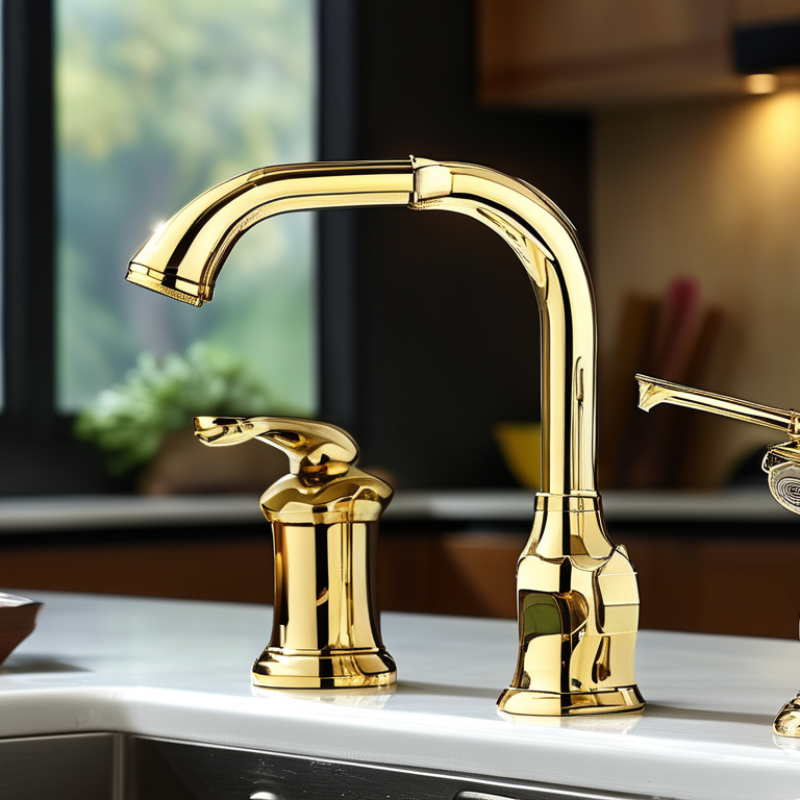
When choosing faucet materials, understanding the traits and benefits of different options is essential. Common materials include stainless steel, brass, and plastic. Stainless steel is durable and resists corrosion. It offers a sleek finish that many homeowners prefer. Brass, known for its strength and longevity, also provides a classic aesthetic. However, it may tarnish over time without proper care.
Plastic faucets are lightweight and affordable. They are suitable for temporary setups but may not hold up against daily use. Some might find plastic less appealing visually. Each material has its pros and cons, depending on the desired style and functionality. Consider your specific needs before making a decision. Assess durability, maintenance requirements, and how the material complements your space.
Reflecting on personal experiences can guide your choice. Have you dealt with rusting or chipping in the past? Every choice comes with imperfections and unanticipated challenges. Taking time to weigh these factors can lead to a more satisfying outcome.
When choosing faucets, the material plays a crucial role in durability. Metal and plastic are two common options, each with its own strengths and weaknesses. Metal faucets often boast a robust build. They resist heat and impact, making them ideal for busy kitchens. Stainless steel and brass are popular choices for their longevity.
However, metal can corrode over time. This is especially true in areas with hard water. The mineral deposits can wear down the finish, leading to unsightly spots. On the other hand, plastic faucets are lightweight and more affordable. They come in various colors and styles, which allows for creative flexibility in design.
Yet, plastic can feel less sturdy. It may crack or discolor with prolonged exposure to heat or chemicals. Both materials have their pros and cons. Metal offers durability but requires more maintenance. Plastic is easy to install and replace but may not last as long. Ultimately, the choice depends on your specific needs and preferences. Consider the environment where the faucet will be used and how much wear and tear it might endure.
When selecting faucet materials, aesthetics play a crucial role. The choice influences the overall design of your bathroom or kitchen. A well-chosen faucet complements your decor. For instance, polished chrome faucets are shiny and modern, appealing to minimalists. In contrast, matte black finishes offer bold sophistication, suitable for contemporary spaces.
According to a recent industry report, 75% of homeowners prioritize style alongside functionality in their faucet choices. This preference affects brand popularity and market trends. Copper and stainless steel remain popular for their durability and timeless appeal. Yet, the wrong choice can disrupt your space. A mismatched finish or style might lead to design inconsistencies, causing dissatisfaction down the road.
Tips: Consider the color palette of your space. Ensure the faucet blends seamlessly. If uncertain, bring samples or swatches during your selection process. Also, think about maintenance. Some materials, while attractive, may require more upkeep to retain their beauty. Aesthetic preferences should balance functionality and practicality.
| Material | Aesthetic Qualities | Durability | Maintenance | Cost |
|---|---|---|---|---|
| Stainless Steel | Modern and sleek | Highly durable | Low maintenance | Medium |
| Brass | Classic and warm | Very durable | Requires regular polishing | High |
| Chrome-Plated | Shiny and reflective | Moderately durable | Easily cleaned | Low to medium |
| Plastic | Variety of colors | Less durable | Very low maintenance | Very low |
| Copper | Rich and luxurious | Durable but can corrode | Requires regular upkeep | High |
When choosing faucet materials, environmental impact is a crucial consideration. Metals like brass and stainless steel are common choices. They are durable and recyclable, which minimizes waste. However, mining and processing these metals can harm ecosystems. Water pollution during extraction processes is a serious concern.
On the other hand, plastic faucets are lightweight and often cheaper. Yet, they pose significant environmental challenges. Many types of plastic are not biodegradable. They can end up in landfills, contributing to long-term pollution. The production of plastic also consumes fossil fuels, adding to carbon emissions.
Ceramic and eco-friendly materials are gaining popularity. They require less energy to produce and last longer. Still, they may not have the same aesthetic appeal as metal or plastic. Balancing aesthetics, durability, and eco-friendliness requires careful thought. Each choice has its trade-offs. Reflecting on these can help guide more responsible decisions.
Choosing the right material for faucets involves careful consideration of costs. Various materials are available, each with unique characteristics and price points. Stainless steel, for instance, is durable and resistant to corrosion, yet it can be more expensive than plastic options. Brass faucets offer longevity but often come with a higher upfront cost.
Understanding the long-term implications of faucet choices is crucial. While cheaper materials may save money initially, they may require frequent replacements. This could lead to higher expenses over time. Investing in high-quality materials might strain your budget now but could offer savings in maintenance and replacement costs later.
Consider the environment as well. Some materials, like certain plastics, may have a lower initial cost but can have significant ecological impacts. A balance between cost, durability, and environmental responsibility will ensure a more thoughtful choice. Reflecting on personal habits can guide the decision-making process. Consider the faucet's usage frequency and the overall longevity you expect.
: Common materials include stainless steel, brass, and plastic.
Stainless steel is durable and resists corrosion.
Brass is strong, long-lasting, and has a classic look.
They are lightweight and cheap but may not endure daily use.
The production of some materials can harm ecosystems and contribute to pollution.
Plastic is often not biodegradable and can lead to long-term landfill pollution.
Yes, ceramic and other eco-friendly materials are becoming more popular.
Think about durability, maintenance, aesthetics, and environmental impact.
Yes, reflecting on past issues like rusting can inform better choices.
No material is perfect; every choice has its trade-offs and challenges.
When considering what material is best for faucets, it's essential to understand the different types available and their respective attributes. Metal and plastic faucets each offer distinct advantages, such as durability and aesthetic appeal. Metal faucets are generally more durable and visually appealing, while plastic options tend to be lighter and more budget-friendly.
Aesthetic considerations also play a crucial role in material selection, as many consumers prefer the polished look of metal finishes. However, the environmental impact of faucet materials cannot be overlooked, as some materials may have a larger carbon footprint than others. Finally, a thorough cost analysis will aid in budgeting, ensuring that you choose a faucet that meets your needs without exceeding financial limits. By weighing these factors, homeowners can make an informed decision on what material is best for faucets in their unique contexts.

Zhishang Sanitary Ware