Choosing a bathroom faucet finish affects more than appearance. It shapes daily cleaning, durability, and the room’s overall character. A warm brushed brass faucet can soften white tile. Matte black creates stronger contrast. Chrome reflects light and suits many compact bathrooms. Yet photographs can mislead. A finish that looks elegant online may show fingerprints beside the sink.
So, What finish is best for bathroom faucets? The honest answer depends on water quality, cleaning habits, lighting, and the faucet’s coating process. Brushed surfaces usually disguise small water spots better than polished ones. Chrome remains a practical benchmark because it is widely available and easy to match. PVD finishes may offer stronger resistance to wear, but quality varies among manufacturers. “Premium” is not enough. Look for clear warranty terms, care instructions, and consistent customer reviews. I would also inspect samples under the bathroom’s actual lighting. Store lighting is forgiving. Home lighting is not.
This guide compares popular finishes through real-use concerns, not color trends alone. It considers mineral buildup, soap residue, scratches, maintenance time, and replacement availability. It also explores how finishes coordinate with tubs, shower hardware, cabinet pulls, and lighting. No finish is maintenance-free. Even a durable coating can suffer from abrasive cleaners or rough pads. A soft cloth and manufacturer-approved cleaner are safer choices. One detail is easy to overlook: matching every metal can make a bathroom feel staged. A controlled mix may appear more thoughtful. Still, mixing finishes requires repetition, such as black lighting with black faucet accents. The best choice balances visual appeal with the maintenance you can accept. That balance is personal. Sometimes, the best finish is simply the one you will keep clean and enjoy for years.
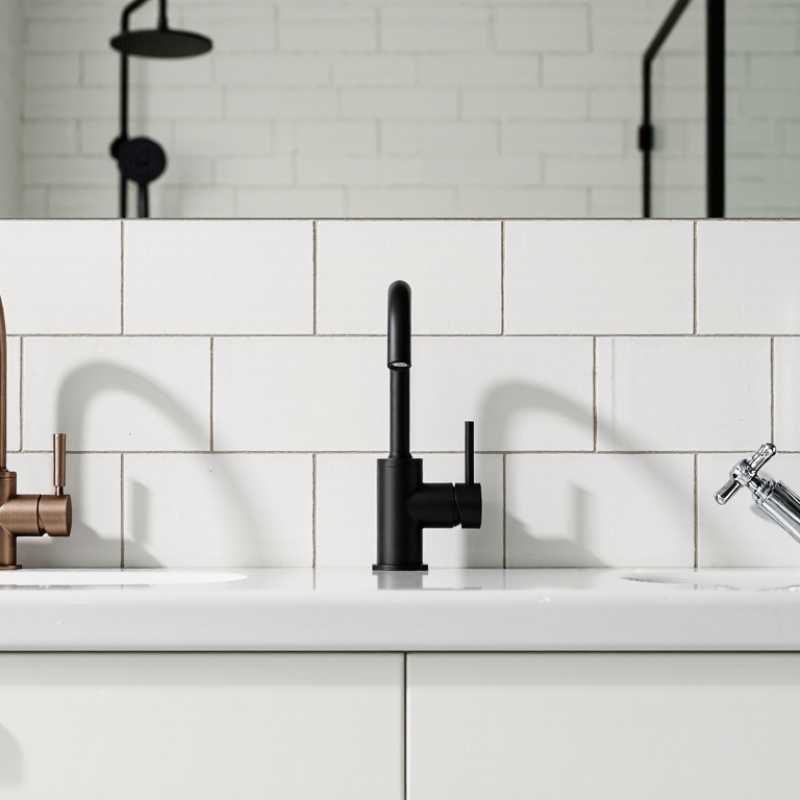
Bathroom faucet finishes do more than shape a bathroom’s appearance. They affect cleaning, durability, and how visible water marks become. Chrome remains a practical choice because its bright surface is easy to wipe. However, it can show fingerprints quickly. Brushed nickel has a softer glow and hides small smudges better. Its warm tone suits many tile colors.
Polished nickel offers a deeper, slightly warmer shine than chrome. It can look elegant, but it usually needs more frequent polishing. Matte black creates strong contrast against white sinks and pale walls. It hides some water spots, yet dust and dried soap may still appear clearly. Brushed brass adds warmth and character, while aged bronze creates a darker, traditional effect. These finishes can vary noticeably under different lighting.
There is also stainless steel, which provides a clean, understated appearance. It works well in modern bathrooms and often handles daily use reliably. Finish quality matters more than color alone. Look for a faucet with an even coating, smooth edges, and clear care instructions. Harsh cleaners can damage decorative surfaces, even when the faucet seems sturdy. I have found that finish samples can look different beside real tile than on a screen. That small detail is easy to overlook. Consider your cleaning habits, lighting, cabinet hardware, and local water hardness before choosing. A beautiful finish may disappoint if it demands constant polishing.
Chrome, brushed nickel, matte black, polished brass, and bronze remain common faucet finishes. Each changes the bathroom’s appearance and maintenance needs. Chrome reflects light strongly, making small bathrooms feel brighter. It resists corrosion well, but fingerprints and water spots appear quickly. A soft cloth keeps it clear.
Brushed nickel has a warmer tone and hides minor marks better than chrome. Its fine texture feels practical near a frequently used sink. Matte black creates strong contrast with white ceramic and pale stone. However, soap residue and mineral dust can look obvious on dark surfaces. Not always. Polished brass adds warmth and character, yet its bright surface may need frequent wiping. Some brass finishes also change subtly with age, humidity, and cleaning products.
Bronze suits traditional bathrooms and can disguise small stains. Its deeper color may make a compact room feel heavier. Finish durability depends on the coating, water quality, and daily cleaning habits. Avoid abrasive powders and harsh chemicals, which can dull protective layers. A gentle cleanser and a dry microfiber cloth are safer choices. In a practical comparison, brushed nickel often offers the easiest balance between appearance and upkeep. Still, that judgment is not universal. Hard-water homes may favor darker bronze, while design-focused spaces may accept extra cleaning for polished brass. A sample viewed beside the mirror and under bathroom lighting can reveal differences that online images miss.
What Is the Best Finish for Bathroom Faucets?
Which Factors Determine the Best Faucet Finish?
The best faucet finish depends on your bathroom’s water, cleaning habits, and daily use. In my experience, hard water leaves white mineral spots on dark finishes quickly. A polished surface may show fingerprints, while a brushed texture hides small marks better. However, brushed finishes can collect residue inside their fine lines.
Chrome remains practical because it is smooth, widely available, and easy to wipe clean. It often suits busy family bathrooms. Brushed nickel can create a softer appearance and usually disguises water spots more effectively. Matte black offers strong contrast, but it may require gentler cleaning. Abrasive powders and rough sponges can damage its surface.
Think about durability, too. A well-applied protective coating should resist moisture, oils, and ordinary bathroom cleaners. Still, no finish is maintenance-free. That matters. Ask about the coating process and care instructions before buying. A showroom sample may look perfect under bright lights, yet appear different beside your basin.
Lighting also influences the choice. Warm lighting can make bronze tones look richer, while cool lighting may emphasize blue or gray undertones. Check a sample near your mirror and tiles. I once chose a finish by appearance alone and regretted it after seeing constant water marks. Personal taste matters, but cleaning time matters more.
| Faucet Finish | Water-Spot Visibility | Fingerprint Visibility | Scratch Visibility | Cleaning Effort | Style Compatibility | Best Use Case |
|---|---|---|---|---|---|---|
| Polished Chrome | High | High | Moderate | Moderate | Modern, transitional, traditional | A bright, reflective look that suits many bathroom designs and is widely available. |
| Brushed Nickel | Low to moderate | Low | Low to moderate | Low | Modern, transitional, traditional | A practical satin-like finish that generally disguises daily marks better than highly polished surfaces. |
| Brushed Stainless Steel | Low to moderate | Low | Low to moderate | Low | Modern, industrial, minimalist | A neutral, understated option that works well with contemporary fixtures and accessories. |
| Matte Black | Moderate | Low to moderate | Moderate to high | Moderate | Modern, minimalist, industrial | Creates strong contrast and hides light water marks, but chips or scratches may reveal the underlying material. |
| Polished Brass | High | Moderate to high | Moderate | Moderate to high | Traditional, vintage, eclectic | A warm decorative finish that benefits from regular wiping to maintain its reflective appearance. |
| Oil-Rubbed Bronze | Moderate | Low to moderate | Moderate to high | Moderate | Traditional, rustic, transitional | Provides a dark, aged appearance; finish consistency can vary, so matching accessories should be checked carefully. |
| Satin Brass | Low to moderate | Low to moderate | Moderate | Low to moderate | Modern, transitional, eclectic | A warm, non-mirror finish that adds visual interest while usually requiring less polishing than polished brass. |
Bathroom faucet finishes look different, but each needs careful maintenance. Chrome is durable and easy to refresh. Wipe it after use with a soft, dry microfiber cloth. For buildup, use warm water and mild liquid soap. Rinse thoroughly, then dry the surface.
Brushed nickel hides fingerprints well, yet water spots can dull its texture. Clean it gently in the direction of the brushed grain. Never scrub across the lines.
Matte black finishes show mineral rings quickly, especially near the spout. Use diluted soap and a damp cloth, then remove every drop. Avoid abrasive pads, vinegar, bleach, and strong bathroom cleaners. They may damage the protective coating.
Polished brass needs similar care, although its appearance can change naturally over time. Follow the care instructions supplied with the faucet, because coatings vary.
Small habits matter.
During routine cleaning, inspect the handle base and aerator for trapped residue. A soft cotton swab can reach narrow seams.
I once used too much cleaner on a metal fixture, believing more would work better. It left a cloudy patch that polishing could not remove. That mistake changed my routine: apply cleaner to the cloth, not directly to the faucet.
No finish is maintenance-free. Even the most practical finish can age poorly when moisture, chemicals, and neglect meet.
Choosing the right bathroom faucet finish depends on more than appearance. Your daily habits, cleaning routine, and bathroom lighting all matter. A polished finish reflects light and can make a small sink area feel brighter. However, water spots and fingerprints may appear quickly.
Brushed metal finishes hide minor marks better, especially in busy family bathrooms. Matte black creates strong contrast against white porcelain, but dust and mineral residue can become noticeable. Warm brass tones add character to stone, wood, or cream-colored surfaces. Still, color samples can look different under artificial light. I once underestimated this difference.
Tips: Hold finish samples beside your tiles and mirror. Check them in daylight and at night. Choose one dominant metal tone, then repeat it on the cabinet handles or shower trim. Mixing finishes can work, but random combinations often feel unsettled. Also, consider your water quality. Hard water may leave pale deposits on dark or highly polished surfaces. Wipe the faucet with a soft cloth after use, and follow the care guidance supplied with the fixture. Avoid abrasive cleaners, even when stains seem stubborn. They can dull the surface permanently. A practical finish should suit your cleaning habits, not only your first impression.
Common choices include chrome, brushed nickel, polished nickel, matte black, brushed brass, aged bronze, and stainless steel. Each finish changes the room’s mood and cleaning needs.
Chrome has a smooth surface that usually wipes clean quickly. Use a soft microfiber cloth and mild liquid soap. It can show fingerprints.
Brushed nickel often hides light smudges better than polished surfaces. Its textured grain can still collect residue. Clean along the grain.
Matte black creates sharp contrast with white sinks and pale walls. Hard water may leave visible mineral rings near the spout. Dry it after use.
Yes. Warm lighting can deepen bronze tones, while cool lighting may reveal blue or gray undertones. Check samples beside the mirror and tiles.
Use diluted soap and a damp, soft cloth. Rinse away residue, then dry every drop. Avoid abrasive powders, rough sponges, bleach, and harsh cleaners.
Look for an even coating, smooth edges, and clear care instructions. Ask how the protective coating was applied. Color alone is not enough.
Choose a smooth finish if you want quick daily wiping. Brushed surfaces may hide marks but trap residue in their lines. My appearance-only choice once caused constant water marks.
No finish is maintenance-free. Moisture, chemicals, and neglect can damage even a sturdy surface. Apply cleaner to the cloth, not directly to the faucet.
Choosing the right bathroom faucet finish involves balancing appearance, durability, maintenance, and personal preference. Common options include polished chrome, brushed nickel, stainless steel, matte black, oil-rubbed bronze, and brushed gold. Each finish creates a different atmosphere, from bright and contemporary to warm and traditional. When asking, “What finish is best for bathroom faucets,” consider how well the finish resists water spots, fingerprints, scratches, corrosion, and changes in style over time.
Maintenance also varies by finish. Smooth surfaces are often easy to wipe clean, while textured or darker finishes may require gentle care to preserve their appearance. Avoid abrasive cleaners and harsh chemicals, and use a soft cloth with mild soap and water when needed. To choose the right finish, compare your bathroom’s fixtures, lighting, color scheme, cleaning habits, and budget. The best option is one that complements the overall design while offering the durability and upkeep level you can comfortably manage.

Zhishang Sanitary Ware