Top Easy to Clean Faucets What Makes a Faucet Easy to Clean?

Time:2026-09-19 Author:Isabella
0%

Choosing a faucet should involve more than finish, height, or showroom appeal. Daily use leaves fingerprints, water spots, soap film, and mineral deposits around the handle and spout. A faucet that cleans easily reduces scrubbing and helps maintain a more hygienic kitchen or bathroom.

What makes a faucet easy to clean? The answer usually begins with a smooth, nonporous surface and a simple design. Fewer grooves, seams, and decorative ridges give grime fewer places to hide. Rounded edges also let a soft cloth move across the fixture without catching. A pull-out spray head can help, but its docking area must remain accessible. Otherwise, convenience becomes another cleaning task.

In my experience, brushed finishes often disguise water marks better than highly polished chrome. However, they still need gentle care. Harsh pads may dull the surface, even when the faucet appears durable. Manufacturer instructions remain the most reliable guide, especially for coated finishes and removable aerators. Regular wiping after use works better than occasional heavy cleaning. It takes seconds.

The best easy-clean faucets balance appearance, access, and long-term maintenance. They should let users reach the base, clean around the controls, and remove buildup without special tools. Some designs look practical but still collect residue underneath. That detail deserves attention. This guide examines the features that make cleaning simpler, the finishes that respond well to routine care, and the small design flaws that can make maintenance frustrating. Perfect designs are uncommon. Practical choices matter more.
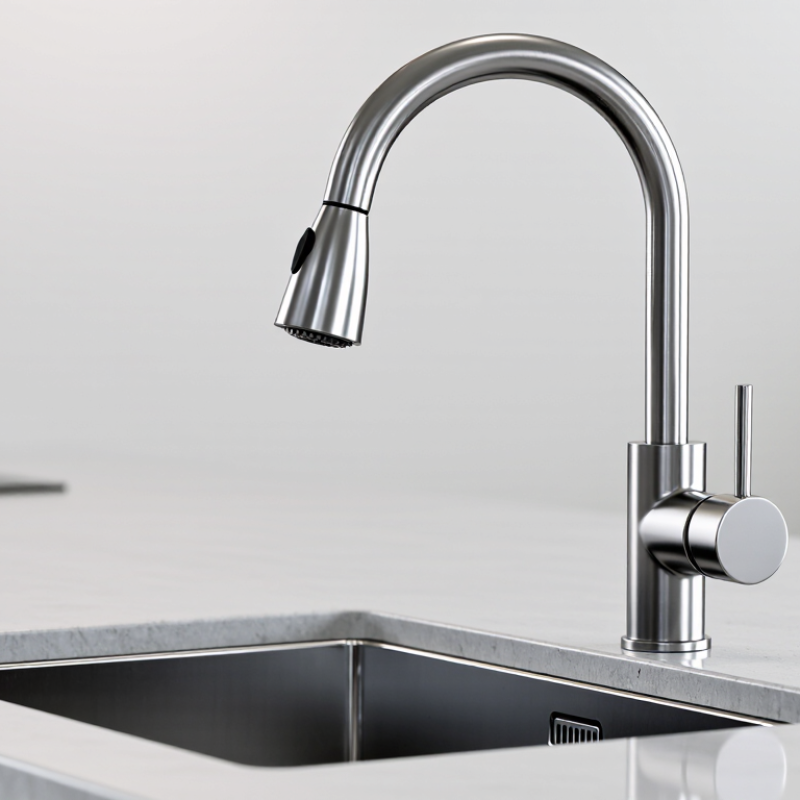
Top Easy to Clean Faucets What Makes a Faucet Easy to Clean?

What Defines an Easy-to-Clean Faucet

What Defines an Easy-to-Clean Faucet

An easy-to-clean faucet has fewer places where dirt can hide. A smooth, one-piece body reduces seams around the spout and handle. Rounded edges also prevent dried soap from collecting in sharp corners. I look for these details before examining the finish. A beautiful surface still fails if its joints trap grime.

The control should move without exposing deep gaps. A removable aerator helps users clear mineral deposits with less effort. The spout should leave enough space for a cloth to pass underneath. This small clearance matters during daily wiping. According to the U.S. Environmental Protection Agency’s WaterSense specification, efficient bathroom faucets use no more than 1.5 gallons per minute. Lower flow can reduce splashing, but poor aeration may leave residue around the outlet. That trade-off deserves attention.

Finish claims need careful reading. A stain-resistant coating may slow visible marks, but it does not replace regular cleaning. The Centers for Disease Control and Prevention recommends following product instructions and cleaning high-touch surfaces regularly. Faucet handles deserve special focus. They collect moisture, oils, and soap from repeated contact. In my experience, a soft cloth and mild cleaner work better than aggressive scrubbing. I was wrong to assume stronger chemicals meant better hygiene. They can damage coatings and create rough patches that hold dirt. Easy cleaning depends on design, access, and realistic maintenance—not appearance alone.

Faucet Materials and Finishes That Resist Buildup

A faucet is easier to clean when its material and finish leave fewer places for water spots, soap, and mineral scale to hide. Solid stainless steel offers a smooth, nonporous surface that usually needs only a soft cloth and mild soap. Brass can also perform well, especially when protected by a durable coating. However, exposed metal may darken or develop marks over time.

The finish matters just as much as the base material. Polished chrome wipes clean quickly, but it can show fingerprints and hard-water spots. Brushed or satin finishes disguise small marks better because their texture scatters light. PVD-style finishes are often more resistant to scratching and discoloration than basic plated surfaces. Still, no finish is completely maintenance-free. Sharp seams, raised logos, and tight joints can collect buildup, even on a high-quality faucet.

Tips: Dry the spout after use, especially around the aerator. Use a soft microfiber cloth weekly. For mineral deposits, apply diluted white vinegar briefly, then rinse thoroughly. Check the care instructions first, because some coatings can react badly to acids. Avoid abrasive powders and rough scrubbers. They may remove buildup today but leave fine scratches that attract dirt later. In my experience, a simple finish is easier to maintain than a decorative one, although personal cleaning habits often matter more than appearance.

Design Features That Simplify Daily Cleaning

An easy-to-clean faucet begins with a simple, continuous shape. Smooth metal surfaces leave fewer places for soap film and mineral deposits to hide. Rounded edges also help a cloth move across the fixture without catching. Fewer edges help. A single-handle design usually cleans faster than separate handles because it has fewer gaps and joints. However, the best shape depends on your water quality and cleaning habits.

The spout is another important detail. A gently curved spout allows better access around its base, where moisture often collects. A removable aerator can make rinsing and maintenance easier, especially in areas with hard water. Avoid deep grooves around the handle. They may look decorative, but they can hold toothpaste, grease, and dust. Small details count. Wipe the faucet after use with a soft, damp cloth, then dry it to reduce spotting.

In my experience, finishes with a consistent texture are easier to maintain than highly polished surfaces. Polished surfaces show every water mark, while heavily textured finishes may trap residue. Neither option is perfect. I once selected a faucet with an attractive narrow seam, but cleaning that seam became a daily annoyance. This is why accessible joints, clear surfaces, and easy-to-remove parts matter more than decoration. Mild soap and water are usually safer than harsh cleaners, which can damage the finish over time.

Top Easy to Clean Faucets: What Makes a Faucet Easy to Clean? - Design Features That Simplify Daily Cleaning

Design Feature Cleaning Advantage Residue or Dirt Reduced Recommended Cleaning Method Cleaning Complexity Daily-Cleaning Suitability
Smooth, continuous spout Fewer seams and grooves give dirt and mineral deposits fewer places to collect. Soap film, water spots, and dust around the spout. Wipe with a soft damp cloth, then dry to reduce water marks. Low Excellent
Single-lever handle One control area is easier to wipe than multiple separate handles and escutcheons. Fingerprints, hand oils, and soap residue. Clean around the handle base with a soft cloth; avoid abrasive pads. Low Excellent
Recessed or flush aerator A protected aerator has fewer exposed edges where limescale can build up. Mineral deposits and blocked water outlets. Wipe the outlet regularly and follow the faucet care instructions for removal or soaking. Moderate Very Good
Pull-out or pull-down spray head The movable head can reach the sink basin and be rinsed from different angles. Food particles, grime, and residue around the basin edges. Extend the head, rinse it, and wipe the docking area and hose connection. Moderate Very Good
Rounded, shallow base profile Rounded transitions reduce sharp corners that can trap standing water and grime. Water pooling, mildew-prone residue, and dust at the mounting area. Wipe the base and dry the joint where the faucet meets the sink. Low Excellent
Smooth, nonporous finish Nonporous surfaces do not absorb liquid and can be cleaned with a soft cloth. Water spots, soap film, and everyday fingerprints. Use mild dish soap diluted with water when needed; rinse and dry afterward. Low Excellent
Minimal exposed joints Fewer visible connections reduce narrow gaps that are difficult to reach with a cloth. Dust, limescale, and trapped moisture around fittings. Clean visible joints with a soft toothbrush or cotton swab when necessary. Low Excellent
Touchless activation Hands do not need to touch the handle during use, reducing contact marks and transfer of grime. Fingerprints, food residue, and hand oils on the control area. Wipe the sensor window and faucet surface with a soft damp cloth. Moderate Very Good
Detachable spray face A removable spray face can be rinsed or descaled more thoroughly than a fixed outlet. Limescale and debris blocking spray holes. Remove only as directed, rinse the part, and use a soft brush for the outlet holes. Moderate Good
Wall-mounted installation The open area around the faucet leaves more of the sink surface accessible for wiping. Water and grime around the rear sink deck. Wipe the spout, wall plate, and surrounding wall surface; keep the wall joint dry. Moderate Good

General care note: For most faucet finishes, use a soft cloth and mild soap diluted with water. Rinse away cleaner and dry the surface. Avoid abrasive pads, scouring powders, and harsh chemicals unless the faucet’s care instructions specifically permit them.

How Faucet Shape Affects Cleaning and Maintenance

A faucet’s shape often determines how quickly grime appears and how easily it leaves. In my maintenance work, I find smooth, rounded surfaces simpler to wipe. They give mineral deposits fewer sharp edges to hide around. A compact, gently curved spout also reduces splash marks near the base. Flat ledges look modern, but they can hold water after handwashing. That leftover moisture attracts soap film and dulls the finish. Small details matter.

The joint between the spout and body deserves careful attention. Exposed seams can collect toothpaste, grease, and fine dust. A cleaner design uses fewer grooves and keeps transitions broad and accessible. Handles should sit high enough for a cloth to pass underneath. Touch controls may reduce contact, but they still need cleaning around their sensors. I usually use a soft microfiber cloth, warm water, and a mild, non-abrasive cleaner. Harsh powders can scratch protective coatings, even when the damage is invisible at first.

A pull-out or flexible faucet can improve reach, yet its hose opening may become a hidden dirt pocket. Check that area weekly. I have also learned that “easy to clean” is not universal. A shape that suits a spacious bathroom may feel awkward beside a narrow sink. Before choosing, run your hand around the base and inspect the underside. If a cloth cannot reach it, maintenance will probably become frustrating. I may prefer a simpler silhouette, though appearance still influences daily satisfaction.

Top Easy-to-Clean Faucets: How Faucet Shape Affects Cleaning and Maintenance

Lower scores indicate easier cleaning. The relative cleaning-effort index is based on visible seams, tight corners, exposed fittings, horizontal ledges, and the number of areas where mineral deposits or grime can collect. Smooth, rounded, single-handle designs generally require less daily wiping and have fewer difficult-to-reach areas.

Choosing the Best Easy-to-Clean Faucet for Your Needs

Choosing the best easy-to-clean faucet starts with your sink, water quality, and daily habits. A simple, rounded design usually collects less grime than sharp edges or deep decorative grooves. In my experience, a single-piece body is easier to wipe because fewer seams trap soap residue. Smooth chrome, stainless steel, or matte finishes can work well, but hard water may leave spots on every surface. No finish is completely maintenance-free.

Look for a faucet with a removable aerator and an accessible spray head. These parts often collect mineral deposits, especially in homes with hard water. A pull-down hose should retract smoothly without rubbing against the sink. Check the connection underneath, too. It should be reachable without removing half the cabinet. A ceramic cartridge may also support reliable, low-drip performance, though proper installation matters just as much. I still miss a spot sometimes. Practical design beats a glossy appearance.

Tips: Wipe the faucet after cooking with a soft, damp cloth. Use mild soap for daily cleaning, then dry the surface to reduce water marks. Avoid abrasive pads and harsh cleaners, which can dull protective finishes. Once a month, remove the aerator and soak it according to the manufacturer’s care instructions. Test cleaning products on a hidden area first. Looks are not everything. Choose controls that feel comfortable, even with wet hands, and leave enough space around the base for a cloth to pass.

FAQS

What faucet shape is easiest to clean?

Choose a smooth, continuous shape with rounded edges. Fewer seams give soap film and mineral deposits fewer hiding places.

Is a single-handle faucet easier to maintain?

Usually, yes. It has fewer gaps and joints, so a cloth can move across it faster.

Which spout design helps reduce cleaning work?

A gently curved, compact spout improves access around its base. It can also reduce splash marks near the sink.

Why should deep grooves and flat ledges be avoided?

Deep grooves can trap toothpaste, grease, and dust. Flat ledges may hold water after handwashing.

Are polished finishes always easier to clean?

Not always. Polished surfaces show every water mark, while heavy textures may trap residue.

How should a faucet be wiped after use?

Use a soft, damp microfiber cloth, then dry the surface. This simple habit helps reduce water spots.

What cleaning products are safest for most faucet finishes?

Mild soap, warm water, and a non-abrasive cleaner are usually safer. Harsh powders can create tiny scratches over time.

Are pull-out or flexible faucets difficult to maintain?

They improve reach, but the hose opening can become a hidden dirt pocket. Check that area weekly.

How can I test a faucet before choosing it?

Run your hand around the base and inspect the underside. If a cloth cannot reach those areas, cleaning may become frustrating.

Does “easy to clean” mean the same thing for every bathroom?

No. A spacious bathroom may suit one shape, while a narrow sink needs a simpler silhouette. I still sometimes choose appearance, although maintenance matters more later.

Conclusion

What makes a faucet easy to clean? The answer lies in a combination of practical materials, smooth finishes, and thoughtful design. Faucets made with corrosion-resistant materials and low-buildup finishes are less likely to show water spots, mineral deposits, fingerprints, and soap residue. A simple surface with fewer seams, grooves, and decorative details also makes everyday wiping faster and more effective.

Faucet shape plays an equally important role in maintenance. Rounded edges, open spaces around the base, and easily accessible controls help prevent dirt and moisture from collecting in hard-to-reach areas. When choosing an easy-to-clean faucet, consider your water quality, cleaning routine, household needs, and preferred appearance. The best option should combine durable construction, a practical finish, and a streamlined design that keeps regular cleaning simple while supporting long-term hygiene and reliable use.

Isabella

Isabella

Isabella is a dedicated marketing professional with a sharp focus on driving brand growth and engagement through strategic content creation. With an extensive background in digital marketing, she combines her passion for storytelling with her keen understanding of industry trends to deliver......