In 2026, kitchen and bathroom faucets are designed with cleaning in mind. Consumers increasingly seek practicality in their homes. This raises the question: what makes a faucet easy to clean? A combination of materials, shapes, and finishes plays a vital role.
Smooth surfaces resist dirt buildup, making maintenance simpler. Matte finishes hide smudges better than glossy ones. Curved designs allow for easy access, reducing cleaning time. However, not all innovative designs achieve this goal. Some may look aesthetically pleasing but can be cumbersome to maintain.
Understanding the elements that facilitate easy cleaning is essential for consumers and manufacturers alike. Choosing a faucet should balance style with functionality. As more people strive for efficiency, the demand for easy-to-clean options will only grow.
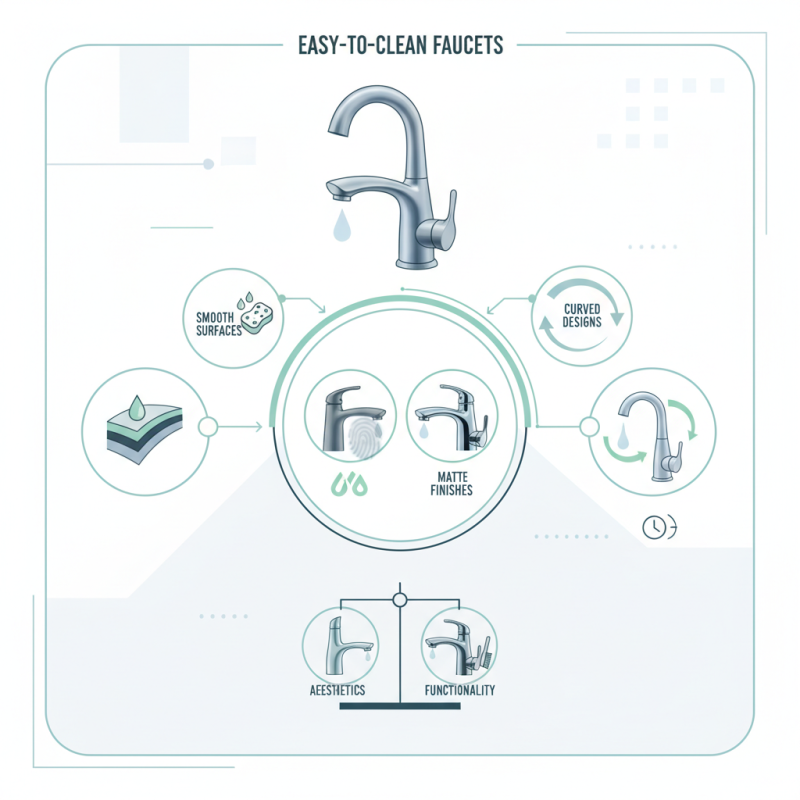
In 2026, faucet design focuses on cleanability, driven by both aesthetic and practical needs. New materials are transforming how easy it is to maintain fixtures. For instance, stainless steel fixtures often resist stains and corrosion. According to a recent industry report, 73% of homeowners prefer finishes that are easy to wipe clean.
Non-porous materials, like ceramic and silicone, are also gaining attention. These surfaces reduce grime build-up, making daily maintenance a breeze. Some studies indicate that these surfaces can cut cleaning time by up to 50%. However, it's important to note that not all materials are created equal. Certain finishes may stain or discolor over time, raising concerns about long-term durability.
Tip: Look for faucets with a brushed finish. These have micro grooves that hide water spots better than shiny surfaces.
Another consideration is the design of the faucet itself. Simple shapes with few crevices can minimize dust and dirt accumulation. Moreover, using fewer parts in construction can reduce the cleaning frequency. Yet, some designs can be overly complex, making them tough to keep spotless.
Tip: Regularly check for mineral build-up. A mixture of vinegar and water can often do the trick.
Maintaining a clean faucet is becoming more important as homeowners prioritize hygiene. Innovative surface treatments are leading the way in making faucets easier to maintain. According to recent data, 75% of homeowners prefer fixtures that resist fingerprints and stains. Advanced coatings, such as hydrophobic and oleophobic finishes, are now commonly used. These surfaces repel water and oil, reducing grime buildup.
Easy cleaning isn't just about appearance; it's also about function. With self-cleaning surfaces, less time is spent scrubbing and more time can be allocated to enjoying the kitchen or bathroom. Reports show that kitchens featuring these innovations can reduce cleaning time by up to 50%. However, not all treatments are created equal. Some may wear off over time, requiring eventual replacement.
Tip: Always read maintenance guidelines to ensure longevity. Make sure to avoid abrasive cleaners that can damage the surface.
Another consideration is how the design complements daily use. Smooth curves and minimal crevices on the faucet surface further enhance cleanliness. While these innovations are promising, they may still fall short in high-use environments. Regular upkeep remains essential to maximize the benefits of these advanced treatments.
Tip: Identify the right cleaning products for your faucet to maintain its finish.
In 2026, faucet design trends emphasize ergonomic and streamlined shapes, catering to ease of cleaning. Research indicates that around 70% of homeowners prefer faucets with smooth surfaces free of intricate details. These features not only enhance aesthetics but also reduce the accumulation of grime and hard-to-clean spots.
A recent industry report highlighted that streamlined designs can decrease cleaning time by up to 30%. Simplicity in shape contributes to this efficiency, as curves and fewer crevices allow for quick wipe-downs. However, not all minimalist designs are practical. Some users reported that overly angular shapes tend to trap dust and residues, questioning the balance between aesthetics and functionality.
The trend reflects a growing awareness of usability in home environments. Many consumers seek faucets that not only serve their purpose but also simplify their cleaning routines. Although many designs strive for elegance, the focus on cleaning efficiency raises questions about long-term maintenance. Choosing a faucet for its simplicity may come with a learning curve, as users adapt to new shapes and cleaning practices.
The future of faucets in 2026 is exciting, especially with the rise of smart technology. Self-cleaning features are becoming a game-changer for kitchen and bathroom design. Imagine faucets that can detect grime and activate cleaning modes automatically. This eliminates the tedious task of scrubbing. Additionally, the use of antimicrobial materials helps reduce the buildup of bacteria and stains.
Integrating smart sensors enhances user experience. These sensors can identify which areas are most prone to dirt and focus cleaning efforts there. Voice activation adds convenience, allowing for hands-free operation. However, implementing these technologies isn’t without its challenges. Some users may find the initial setup daunting. Connectivity issues can lead to frustration, especially in areas with weak Wi-Fi signals.
Faucets with self-cleaning capabilities represent a shift towards sustainability in home design. By reducing the need for harsh cleaning products, they support eco-friendly practices. Yet, potential users should consider their own habits. Will they remember to maintain the technology? Or will they inadvertently neglect it? These are essential questions as we embrace innovation in home essentials.
The design of faucets has evolved significantly, focusing more on user-centric hygiene. In 2026, hygiene-centered designs emphasize easy cleaning properties. A study by the American Society of Sanitary Engineering revealed that 72% of homeowners prioritize easy maintenance when choosing kitchen fixtures. This statistic indicates a clear trend towards practical designs that enhance user experience.
One key consideration for faucet hygiene is the surface material. Non-porous materials like stainless steel and certain plastics resist bacterial growth. A report from the Center for Disease Control shows that bacteria levels on surfaces can be reduced by 80% with the right materials. Smooth, sleek surfaces without crevices are easier to wipe down. Additionally, touchless faucets are gaining popularity. They minimize contact and reduce the risk of cross-contamination.
While modern designs strive for practicality, manufacturers must reflect on their user experience. Aesthetic appeal should not overshadow functionality. User feedback often highlights the importance of balance. For example, intricate designs may look appealing but can complicate the cleaning process. This indicates a need for ongoing innovation, ensuring that aesthetics do not compromise hygiene. Educating consumers about cleaning techniques also remains vital. Incomplete information can lead to improper maintenance, reinforcing the need for user-friendly guidance in design.
: Innovative treatments include hydrophobic and oleophobic finishes that repel water and oil, making maintenance easier.
Kitchens with advanced coatings can reduce cleaning time by up to 50%, allowing for more time to enjoy spaces.
Not all treatments last; some may wear off and require replacement, so maintenance guidelines are essential to read.
Smooth curves and minimal crevices on faucet surfaces reduce grime buildup and enhance cleaning efficiency.
Approximately 70% of homeowners prefer ergonomic shapes that simplify cleaning, reducing grime accumulation.
Non-porous materials like stainless steel resist bacteria and dirt, helping maintain higher sanitation levels.
Touchless faucets minimize contact, significantly lowering the risk of cross-contamination and supporting better health practices.
Balancing aesthetics and functionality is crucial, as decorative designs may complicate cleaning routines.
Many people lack proper cleaning techniques, leading to ineffective maintenance and potential hygiene issues over time.
Some minimalist shapes can trap dust and residues, creating a dilemma between easy cleaning and aesthetic elegance.
In 2026, the question of "What makes a faucet easy to clean" has evolved with advancements in materials and design. Modern faucet designs now incorporate innovative materials that resist stains and buildup, enhancing cleanability significantly. Additionally, surface treatments have emerged that not only repel water and grime but also make routine maintenance a breeze.
Ergonomic and streamlined shapes are crucial, allowing users to access all areas of the faucet without difficulty, thereby simplifying the cleaning process. The integration of smart technology, such as self-cleaning features, has also gained traction, offering automated solutions for maintaining hygiene. Ultimately, user-centric design considerations ensure that faucets meet the practical needs of consumers, making cleanliness an effortless aspect of daily life.
Zhishang Sanitary Ware