Why Do Faucets Make Noise When Turned On and How to Fix It?

Time:2026-06-04 Author:Ethan
0%

When you turn on a faucet, unexpected noises can be startling. Understanding "Why do faucets make noise when turned on" is crucial for maintaining your plumbing system. The sounds you hear may signal minor issues or potential problems. From hissing to banging, these noises can disrupt your peace at home.

Various factors contribute to these noises. Air in the pipes, worn-out washers, or high water pressure can all create unsettling sounds. Not every noise indicates a serious problem, but some may require immediate attention. For instance, a sudden banging could hint at loose pipes, demanding prompt inspection.

Addressing faucet noises isn't just about comfort; it's about ensuring functionality. Regular maintenance can prevent these sounds from becoming larger issues. Ignoring the noises might lead to costly repairs or further complications down the line. Gaining insight into these sounds empowers homeowners to take action, ensuring a quieter and more efficient faucet experience.
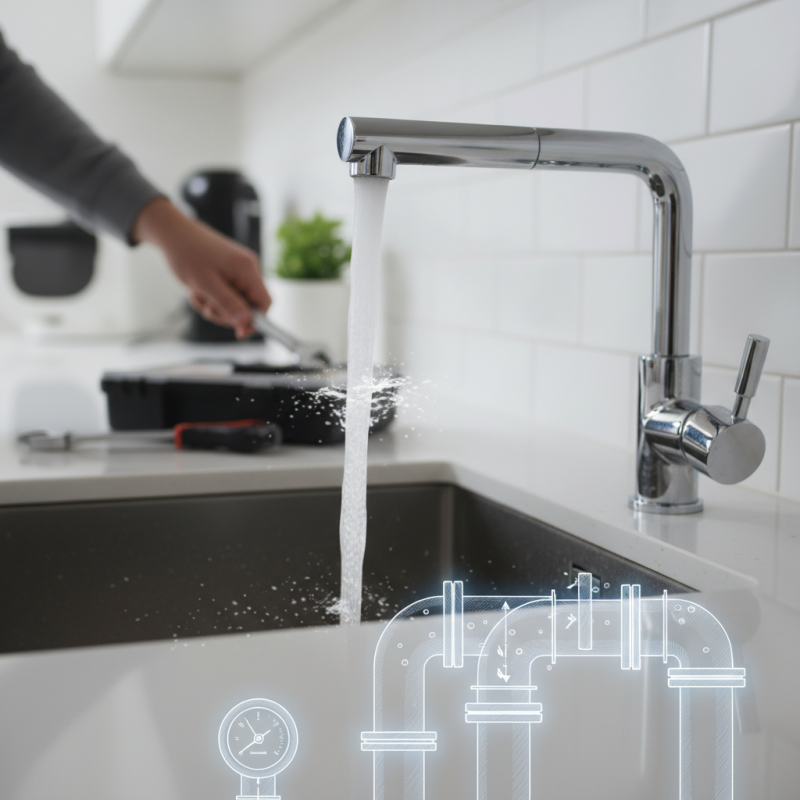
Why Do Faucets Make Noise When Turned On and How to Fix It?

Understanding the Causes of Noisy Faucets

Noisy faucets can be irritating. They may gurgle, whistle, or clank when turned on. Understanding the reasons behind these noises is crucial for homeowners. Several factors contribute to the racket a faucet makes. One common reason is air in the plumbing system. This air can create vibrations, leading to strange sounds.

Another issue arises from worn-out washers or O-rings. Over time, these components can degrade. Water then splashes and creates noise as it flows. Loose pipes may also rattle when water rushes through them, adding to the clamor. A malfunctioning valve can further amplify these sounds. It’s worth inspecting these elements to identify the source.

Fixing noisy faucets often requires some basic tools. Tightening loose connections may solve the problem. Replacing old washers or O-rings is usually straightforward. But sometimes, the issue might need professional assistance. Don’t overlook the opportunity to resolve these issues. Investigating the cause can lead to a quieter home.

Why Do Faucets Make Noise When Turned On and How to Fix It? - Understanding the Causes of Noisy Faucets

Cause Description Solution
Water Hammer A sudden change in water flow causes a loud banging noise. Install water hammer arrestors or check pipe supports.
Air in the Pipes Air pockets in the plumbing system can cause gurgling sounds. Bleed the system by turning on the faucets or consult a plumber.
Sediment Buildup Mineral deposits in the faucet can restrict water flow, causing noise. Clean faucet aerators and flush the system.
Worn Washers Worn out washers can create a whistling or squeaking noise. Replace the washers in the faucet.
Inadequate Water Pressure Low water pressure may cause the faucet to make unusual sounds. Check pressure regulators and consider installing a booster pump.

Identifying Different Types of Faucet Noises

Faucet noises can be annoying, and they often indicate underlying issues. Different types of sounds can help identify what’s wrong. A whistling or screeching noise may point to a worn-out washer or aerator. It’s time to check these components. Replacing them can silence the problem.

A gurgling sound is another common complaint. This usually happens due to air trapped in the pipes. It may also be a sign of low water pressure. Investigating the faucet and surrounding plumbing can reveal the cause. Sometimes, a simple adjustment can fix the issue.

Dripping is not just bothersome; it can also lead to water waste. A loose handle or a damaged valve often causes it. Tightening the handle or replacing the valve can help. Keep an eye on these problems. You just might find that addressing them is easier than you think.

Common Issues Leading to Noisy Faucets

Faucets can produce a variety of noises, often resulting from common plumbing issues. A frequent cause of these irritating sounds is air trapped in the pipes. This can create a banging or sputtering noise when turning on the faucet. In fact, a study from the American Society of Plumbing Engineers indicates that 30% of homeowners report noisy plumbing fixtures as a recurring issue.

Another culprit behind faucet noise is mineral buildup. Hard water can cause limescale to accumulate in aerators and valves. This accumulation can restrict water flow, leading to whistling or hissing sounds when the faucet is in use. It's reported that nearly 85% of households in the U.S. experience hard water problems, which makes this a widespread concern among homeowners.

**Tips:** Regularly clean your faucet aerators to reduce noise. Soaking them in vinegar can help dissolve mineral deposits. If you notice persistent sounds, consider checking your water pressure. High pressure can lead to excessive noise and should be regulated.

Taking the time to identify the root causes of faucet noise can save you headaches down the road. Ignoring these sounds might lead to more significant plumbing issues, costing you time and money.

Common Issues Leading to Noisy Faucets

Step-by-Step Guide to Fixing Faucet Noise

Faucets can produce various noises, such as banging or hissing, which often indicate underlying issues. Understanding the root causes can help in effectively addressing the problem. Common culprits include air trapped in the pipes, worn washers, or high water pressure. According to industry reports, nearly 15% of homeowners experience plumbing noise issues each year.

To fix faucet noise, start by checking the water pressure. Ideal pressure should range between 40-60 psi. If it's above this range, consider installing a pressure regulator. Next, examine the aerator and washer. Sediment build-up in the aerator or worn washers can lead to noise. Simply cleaning or replacing them can decrease unwanted sounds.

Tip: Regularly inspect and maintain your faucet to avoid long-term noise problems. Keep an eye on water usage patterns and potential leaks. Addressing issues early can save you from costly repairs later on. Turning off the water supply before making adjustments is also a wise precaution. Small steps can lead to significant improvements, ensuring a quieter and more efficient plumbing system.

Preventive Measures to Reduce Faucet Noise

Faucet noise can disrupt the serenity of your home. To mitigate this issue, homeowners can take specific preventive measures. Research indicates that nearly 30% of households experience noisy faucets due to improper installation or air trapped in pipes.

Preventing noise starts with ensuring proper installation of the faucet and connecting pipes.
One common cause of noise is water hammer, which occurs when water flow is suddenly stopped. To minimize this, consider installing water hammer arrestors. These devices absorb shock and reduce vibration. According to plumbing experts, correcting pipe misalignment can also help.

Loose pipes often exacerbate the noise. Securely anchoring pipes can provide stability and reduce rattling sounds.

Another effective measure involves checking the aerator. A clogged aerator can disrupt water flow and create unusual sounds. Regular cleaning can help maintain smooth operation. In fact, studies show that regular maintenance can extend faucet lifespan by up to 50%. While these solutions may not eliminate noise entirely, they can lead to a more peaceful plumbing experience.

FAQS

: What are common noises from faucets?

: Faucets may gurgle, whistle, or clank. These sounds can be annoying for homeowners.

Why do faucets make weird sounds?

Air trapped in the plumbing system is a major cause of faucet noises. It creates vibrations.

Can old components cause faucet noises?

Yes, worn-out washers or O-rings can degrade. This leads to splashing sounds when water flows.

How do loose pipes affect faucet noise?

Loose pipes can rattle as water rushes through. This adds to the overall noise in your home.

What should I check first for noisy faucets?

Start by checking water pressure. Ideal pressure is between 40-60 psi. Adjust if necessary.

How can I reduce faucet noise?

Cleaning or replacing the aerator and washer can help. Regular maintenance prevents long-term issues.

Do I need professional help for faucet noise?

Sometimes. If basic fixes don’t work, professional assistance might be necessary.

What else should I monitor to prevent faucet noise?

Keep an eye on water usage patterns and potential leaks. Early detection is key.

Is turning off the water supply important?

Yes, always turn off the water supply before making adjustments. It prevents accidents and messes.

Can small issues lead to bigger problems?

Absolutely. Ignoring minor noises can escalate into costly repairs over time. Address them early.

Conclusion

Faucets can often produce unexpected noises when turned on, leading many to wonder, "Why do faucets make noise when turned on?" Understanding the underlying causes is the first step in addressing this common issue. Noises can range from rattling and hissing to whistling, each indicating different problems. Common reasons for these sounds include issues such as water pressure fluctuations, air trapped in pipes, or worn-out components within the faucet itself.

To effectively fix faucet noise, homeowners can follow a step-by-step guide that includes troubleshooting the noise type, inspecting for blockages or damaged parts, and making necessary repairs or replacements. Additionally, implementing preventive measures, such as adjusting water pressure or ensuring proper installation, can significantly reduce the likelihood of noisy faucets in the future. By addressing both the symptoms and root causes, individuals can enjoy a quieter and more comfortable home environment.

Ethan

Ethan

Ethan is a seasoned marketing professional with a deep expertise in our company's innovative product line. With a passion for sharing knowledge and insights, he takes the lead in regularly updating our corporate blog, where he explores industry trends, product features, and effective marketing......