Having low water pressure in faucets can be frustrating for homeowners. Many people wonder how to increase water pressure in faucets effectively. This issue can stem from several factors, such as clogs or outdated fixtures. Understanding these reasons is essential for addressing the problem effectively.
Improving water pressure doesn't always require a professional plumber. Often, simple steps can yield significant results. Regular maintenance can prevent future issues. Removing aerators, cleaning them, or checking for leaks are practical initial actions. However, some homeowners may overlook these details, inadvertently prolonging their frustration.
Consider upgrading fixtures or installing pressure boosters if basic steps fail. These solutions can improve water flow dramatically. Users should take care to select products that match their plumbing systems. It's essential to approach these fixes with a mindset of learning and improvement. Each step offers the chance to enhance your home's water system.
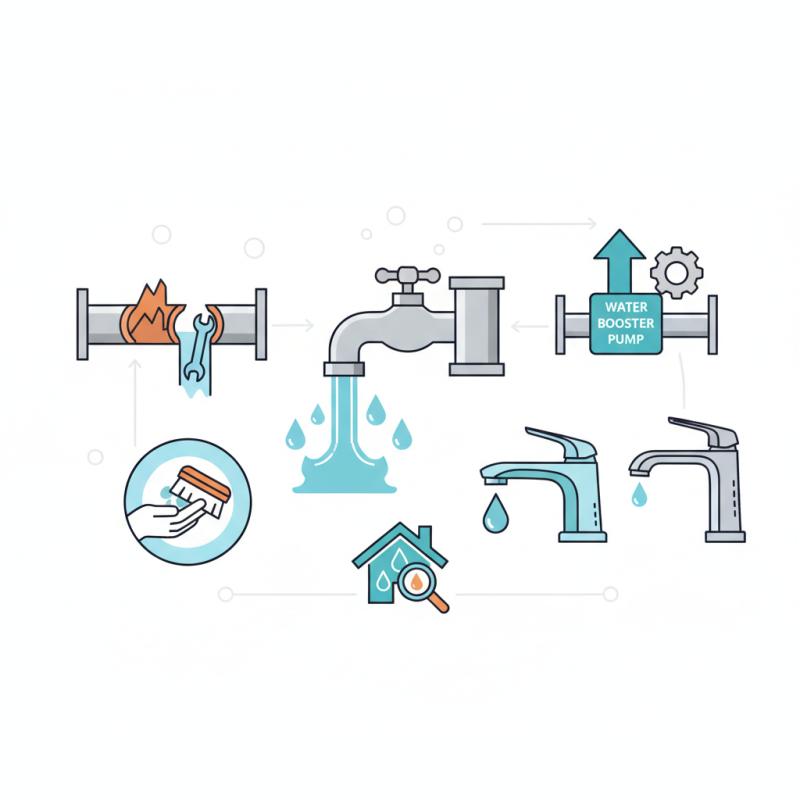
Understanding water pressure in home plumbing systems is crucial for homeowners. According to the American Water Works Association, average residential water pressure ranges from 40 to 60 psi (pounds per square inch). Low water pressure can result from numerous factors, such as leaks, clogged pipes, or insufficient municipal supply. Identifying the root cause is essential for effective solutions.
In some cases, mineral buildup in faucet aerators or showerheads can impede flow. A simple cleaning or replacement can enhance pressure significantly. Furthermore, your home’s plumbing layout impacts pressure. Long runs of piping or a high number of fittings may lead to pressure loss. Data from the Plumbing-Heating-Cooling Contractors Association indicates that nearly 30% of homes experience suboptimal water pressure due to outdated plumbing practices.
Pressure-reducing valves (PRVs) play a vital role in controlling pressure throughout the home. However, if set incorrectly, they can cause further issues. Homeowners should regularly check PRVs and inspect their plumbing systems. Understanding these critical components helps homeowners make informed decisions. Ignoring pressure problems can lead to plumbing failures and costly repairs.
: Common causes include mineral buildup, pipe leaks, and municipal supply issues.
Minerals from hard water accumulate in aerators, restricting flow and reducing pressure.
Remove the aerator, soak it in vinegar, and then rinse it before reinstalling.
Inspect for clogs in the aerator and ensure the water shutoff valve is fully open.
Municipal infrastructure changes or maintenance can lead to fluctuations in water supply.
Look for damp spots, water stains, or dripping sounds near plumbing fixtures.
Yes, if you often face low water pressure, a booster pump can enhance flow significantly.
Regular checks on hoses and connections can prevent issues and maintain better pressure.
If issues continue, it may require further inspection or a professional evaluation.
Increasing water pressure in faucets can significantly enhance the efficiency of your home plumbing system. To understand how to increase water pressure in faucets, it’s essential first to grasp the basics of water pressure in plumbing systems, identifying common issues such as clogged aerators or pipe leaks that can lead to low pressure.
Once you've diagnosed the problem, several effective methods can help restore or enhance faucet water pressure. This may include cleaning or replacing aerators, checking pressure regulators, or even flushing out the system. Additionally, regular maintenance tips can ensure optimal faucet performance, preventing future issues and maintaining consistent water pressure throughout your home. With these insights, homeowners can effectively tackle low water pressure challenges and enjoy better water flow.

 Zhishang Sanitary Ware