How to Maintain Faucets for Longevity and Optimal Performance?

Time:2026-05-16 Author:Mason
0%

Faucets play a crucial role in our daily routines. They provide water for cooking, cleaning, and hygiene. However, maintaining them properly is often overlooked. Understanding how to maintain faucets to last longer ensures they function seamlessly. Routine care can prevent costly repairs and early replacements.

Many homeowners may think that the occasional cleaning is sufficient. However, regular inspections and maintenance are key to longevity. Simple actions can have a significant impact. Checking for leaks or mineral buildup can save you from water wastage and increased bills. Proper lubrication of moving parts often goes unnoticed yet is vital for smooth operation.

Humidity and temperature changes can affect faucet performance over time. It's important to be mindful of these factors. Even the best faucets can falter without adequate care. By implementing these strategies, you can enhance performance and extend the lifespan of your faucets. Learn how to maintain faucets to last longer—it’s truly worth the effort.
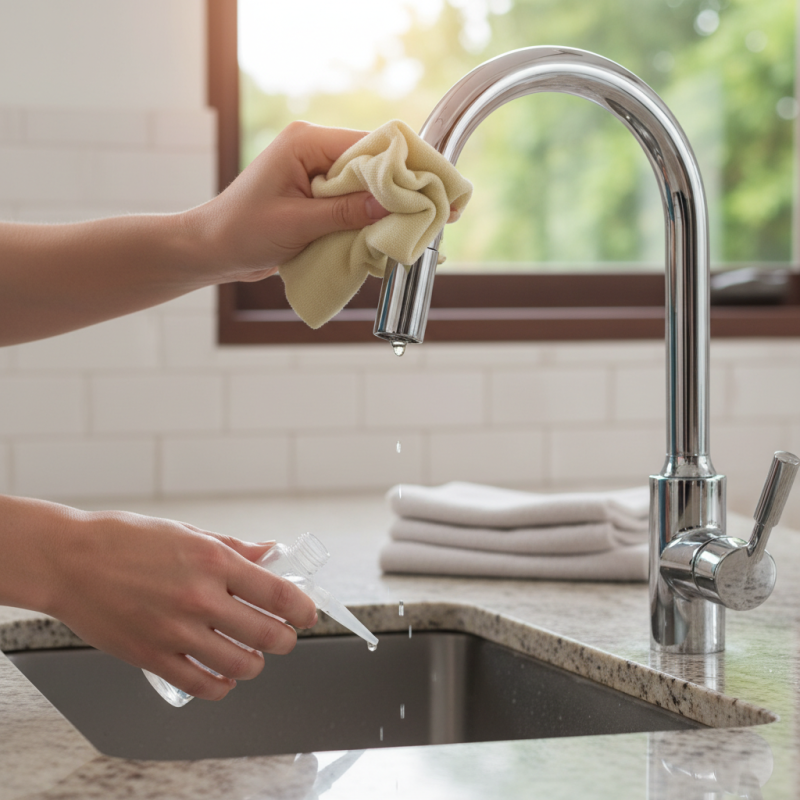
How to Maintain Faucets for Longevity and Optimal Performance?

Importance of Regular Faucet Maintenance for Longevity

Regular faucet maintenance is essential for ensuring longevity and optimal performance. Over time, mineral buildup can occur. This can lead to leaks, poor water flow, and even corrosion. Routine inspection can catch these issues early. Tightening loose fittings can prevent drips, saving water and reducing costs.

Cleaning aerators regularly enhances water quality. It's a simple task; just unscrew the aerator and rinse it out. Ignoring this can cause pressure drops. Also, checking for signs of wear helps in recognizing when replacements are needed. Some homeowners neglect checking the seals, which can lead to significant leaks. These leaks not only waste water but can also damage countertops or cabinets.

Investing time in maintenance is worthwhile. It might seem tedious at first, but it pays off. Remember, neglect can lead to bigger problems later. Simple tasks can extend the life of your faucets dramatically. Take a moment to reflect on your faucet care routine. Even the smallest details matter.

How to Maintain Faucets for Longevity and Optimal Performance? - Importance of Regular Faucet Maintenance for Longevity

Maintenance Task Frequency Benefits Estimated Time
Check for Leaks Monthly Prevents water wastage and damage 10 minutes
Clean Aerator Every 6 months Improves water flow and quality 15 minutes
Inspect and Replace Washers Annually Ensures proper functioning and prevents leaks 30 minutes
Lubricate Moving Parts Every 2 years Reduces wear and extends lifespan 20 minutes
Descale Faucet Every 6 months Removes mineral buildup, improving flow 25 minutes

Common Faucet Issues and Their Solutions

Faucets are essential in every home, but they often face a variety of issues. Leaking faucets are one of the most common problems, leading to water wastage. According to the Environmental Protection Agency, a single faucet leak can waste over 3,000 gallons per year. Fixing a simple leak can save both water and money.

Mineral buildup is another significant concern. Hard water can leave deposits that clog faucet aerators, reducing water flow. Cleaning the aerator regularly can enhance performance. A report from the Water Quality Association highlighted that cleaning faucet components can improve efficiency by nearly 30%.

Tips: Regularly check for leaks. Using a simple wrench, tighten any loose parts.

Another frequent issue is low water pressure. This can stem from various sources, including pipe obstructions or faulty washers. Inspecting the entire plumbing system is crucial. Replace old washers to maintain optimal flow. A study published in the Journal of Water Resources indicated that routine maintenance can prevent up to 50% of common plumbing issues.

Tips: Periodically test your faucet's pressure. A pressure gauge can help you determine if there's a need for further inspection.

Step-by-Step Cleaning Techniques for Different Faucet Types

Cleaning faucets properly enhances their lifespan and efficiency. Different types of faucets require specific care techniques for optimal performance.

For compression faucets, remove mineral build-up with a solution of equal parts vinegar and water. Soak a cloth in the mixture and wrap it around the faucet for 15-20 minutes. Rinse thoroughly.

Cartridge faucets need a different approach. Use a toothbrush and mild detergent to scrub any debris. This method ensures the internal mechanisms remain functional. A report by the American Society of Plumbing Engineers states that regular maintenance can reduce repair needs by up to 75%.

Aerator screens should not be overlooked. These tiny components trap sediment. Unscrew the aerator and soak it in vinegar to dissolve any clogging. Always check seals and washers for wear. A worn washer can lead to leaks, wasting approximately 20 gallons of water per day. It’s crucial to pay attention to such details regularly. Taking these small steps can lead to significant savings on water bills in the long run.

How to Properly Lubricate Faucet Parts for Smooth Operation

Proper lubrication is essential for your faucets to function smoothly. Lubricating faucet parts can prevent wear and tear. It helps reduce friction between moving components, ensuring long-lasting performance. Regular maintenance checks are vital for identifying signs of wear that could lead to leaks or drips.

Use the right type of lubricant, such as a silicone-based solution, which is effective for metal and plastic parts. Apply a small amount to the moving parts like cartridge seals and O-rings. Be careful not to over-lubricate; excess lubricant can attract dirt and debris. Take a moment to inspect the faucet while you’re at it. Look for unusual sounds or stiffness in the handle.

If you notice persistent drips, it might indicate a need for deeper inspection. Sometimes, it’s not just lubrication but a sign of worn-out components. Regularly cleaning the aerator can also improve water flow. Even though it may seem minor, attention to these details can make a significant difference. Your faucet deserves regular care to ensure its longevity.

Signs It's Time to Replace Your Faucet and Choosing a New One

Your faucet can reveal much about its condition. One key sign it's time to replace your faucet is frequent leaks. Drips can waste water and increase your bill. If you notice water pooling around the base, it may indicate a faulty seal. Rust or corrosion is another strong indicator. If the finish is flaking, it's time for a new fixture.

When choosing a new faucet, consider your style and needs. Measure your sink to ensure a proper fit. Different styles, such as pull-down or single-handle options, offer varied functionality. Choose a finish that complements your kitchen or bathroom design. Water efficiency is also critical; select a model that saves water without sacrificing performance.

Tips: Regularly check for water stains or outdated designs. If your faucet requires frequent repairs, investing in a new model may save you more in the long run. Simple maintenance like cleaning aerators can extend the life of your faucet. However, don't ignore slow drips or inconsistent water pressure. Reflect on your faucet's performance, as these issues often indicate deeper problems.

Faucet Maintenance and Replacement Trends

FAQS

: Why is regular faucet maintenance important?

: Regular maintenance extends faucet life and ensures optimal performance.

What problems can arise from mineral buildup?

Mineral buildup can lead to leaks, poor water flow, and corrosion.

How can I clean the aerator?

Unscrew the aerator and rinse it out to enhance water quality.

What should I do about leaking faucets?

Fixing leaks can save water and money. Check for loose parts.

How often should I check my faucet for leaks?

Regular checks can prevent significant issues and water wastage.

What causes low water pressure in faucets?

Low pressure may result from pipe obstructions or faulty washers.

How can I maintain water pressure?

Periodically test pressure and inspect all plumbing components.

Why do some homeowners ignore seals?

Many neglect seals, but this can result in serious leaks.

Can routine maintenance really save costs?

Yes, simple tasks can prevent larger plumbing issues and reduce bills.

What is a common oversight in faucet care?

Neglecting small details, like checking seals, can lead to big problems.

Conclusion

To understand how to maintain faucets to last longer, it's crucial to recognize the importance of regular maintenance. Routine checks can prevent common issues such as leaks and mineral buildup, which can compromise performance. Identifying these problems early allows for simple fixes that can extend the life of your faucet significantly.

Cleaning techniques vary by faucet type, but a consistent approach to keeping them clean is essential. Proper lubrication of moving parts also ensures smooth operation, preventing wear and tear over time. Finally, knowing the signs that it's time to replace your faucet, such as persistent leaks or deterioration, will help you make informed decisions when selecting a new fixture. By following these guidelines, you can ensure your faucets remain functional and efficient for years to come.

Mason

Mason

Mason is a seasoned marketing professional with a deep expertise in the company's offerings and a passion for driving brand awareness. With a strong background in digital marketing strategies, he has an innate ability to connect with diverse audiences and effectively communicate product benefits.......