Replacing faucets can seem straightforward, yet many overlook critical details. According to plumbing expert John Smith, “Even small mistakes can lead to big problems.” Understanding what mistakes to avoid when replacing faucets can save time, money, and frustration.
Consider the type of faucet you need. Choosing the wrong model can complicate installation. Make sure it fits your sink's layout and water supply lines. Additionally, neglecting to turn off the water supply may lead to messy leaks. Always check for compatibility with your plumbing system before making a purchase.
Installation errors often happen when DIYers rush the job. Failing to follow manufacturer instructions can result in improper sealing. This may cause drips and water damage in the long run. Remember, attention to detail is crucial. Learning what mistakes to avoid when replacing faucets will enhance your plumbing expertise and prevent costly repairs in the future.
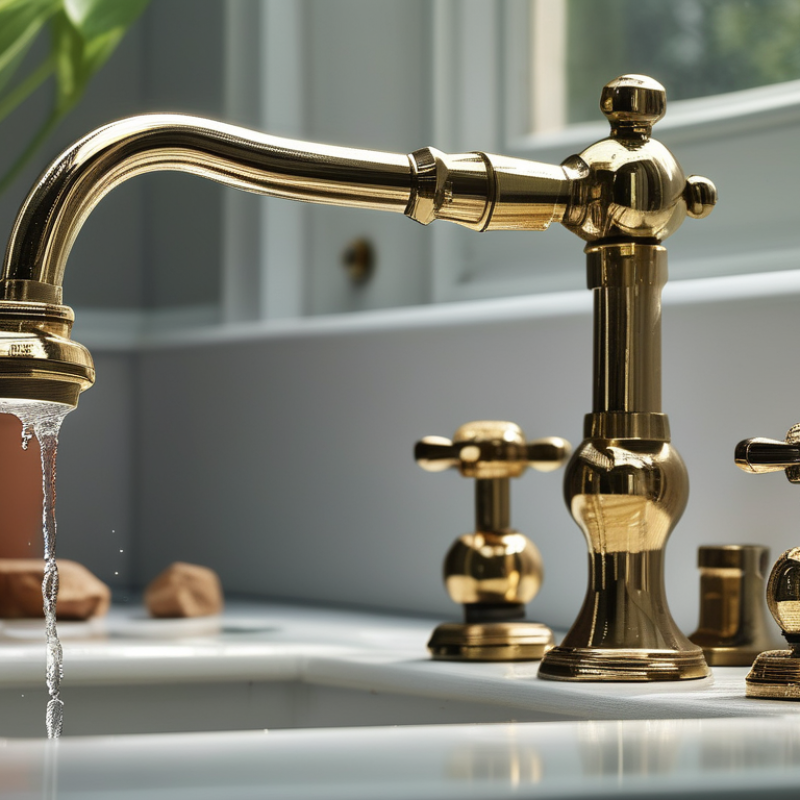
When replacing faucets, many homeowners underestimate the importance of size and type. A common misconception is that all faucets fit standard sinks. However, sink and faucet dimensions can greatly vary. Taking precise measurements before purchasing is crucial. If a faucet is too large or small, it can lead to improper installation and leaks.
Another frequent mistake is overlooking the type of faucet. Different styles, such as single-handle or dual-handle, may require varying plumbing connections. If you prefer a specific design, ensure your existing plumbing can support it. Researching types beforehand can save you time and frustration during installation.
Tip: Always double-check the specifications of both your sink and faucet. This eliminates mismatched sizes. Consider consulting with a plumbing expert if unsure. Their insights can be invaluable.
Tip: Don’t ignore the importance of water pressure. Choose a faucet that matches your home's plumbing system. High-pressure faucets may not work well in low-pressure areas. It's essential to balance aesthetics and functionality.
When selecting a new faucet, understanding water pressure is crucial. Low water pressure can hinder your faucet’s performance. It might lead to weak water flow and frustration during use. Check your home’s water pressure before installation to avoid disappointment.
Measure your water pressure with a gauge. Most faucets work best at 40-60 PSI. If your pressure is lower, consider options that accommodate these needs. Some faucet styles may require higher pressure to function properly. Ensure a good balance to enhance functionality.
Common mistakes include overlooking pressure guidelines. Ignoring water flow can lead to unnecessary expenses. Also, installing a high-pressure faucet in a low-pressure area may not yield the results you expect. Always research and make informed decisions for the best outcome.
When replacing a faucet, having the proper tools and materials is crucial. A few essential tools will make the process smoother. You should gather a basin wrench, adjustable wrench, and screwdrivers. Don’t overlook the importance of plumber's tape and a bucket to catch any dripping water. Each tool plays a vital role in ensuring a successful installation.
Tips: Always check for leaks after installation. A small mistake can lead to water damage over time. If you find any, address them quickly. Additionally, ensure you have the correct type of faucet for your sink—single or dual handle. Mismatched parts can create unnecessary complications.
Even with the right tools, things can go wrong. For instance, rusted nuts can be tough to remove. If you encounter this problem, try using penetrating oil. Patience is key. Remember, rushing can lead to mistakes. Take your time, and double-check your connections before turning on the water. Proper preparation can save you from headaches later in the process.
Replacing faucets can seem straightforward, but evaluating pipe compatibility is crucial. Many homeowners overlook the type of existing plumbing. Different pipe materials, like PVC, copper, or PEX, require specific fittings. Using the wrong connector can lead to leaks or water damage.
Inspect your current setup before purchasing a new faucet. Measure the diameter and thread type of the existing pipes. This step is often neglected, resulting in costly plumbing errors. If your faucet doesn't match the pipes, you may need to buy additional adapters or even change sections of the plumbing.
Consulting a plumber can provide valuable insights. They can help identify compatibility and recommend the right components. Take time to research and verify your faucet and pipe specifications. Rushed decisions often lead to regrets. Being meticulous now will save you from major issues later.
| Mistake | Description | Consequences | Prevention Tips |
|---|---|---|---|
| Ignoring Pipe Compatibility | Using a faucet that is not compatible with existing plumbing pipes. | Leaks, water damage, and costly repairs. | Identify pipe materials and consult compatibility charts. |
| Forgetting about Water Pressure | Choosing a faucet without checking compatibility with water pressure. | Weak water flow or splashing. | Test water pressure before buying the faucet. |
| Neglecting Proper Measurements | Not measuring the sink and installation space. | Ill-fitting faucet that cannot be installed correctly. | Measure the sink size and the faucet's installation requirements carefully. |
| Overlooking Local Codes | Not checking local plumbing codes and regulations. | Potential fines and having to re-do work to comply with codes. | Review local plumbing guidelines before starting the project. |
When choosing faucets, reliability is essential. Research various brands and models to ensure long-lasting performance. Look for products made with quality materials. For instance, stainless steel and brass are more durable than plastic. These materials resist corrosion and wear over time. A good faucet should last for years without leaking.
Consider reading expert reviews and user feedback. These sources provide insights into a product’s performance over time. Reliable brands often have warranties, which signal confidence in their products. Opt for models that others have recommended for their ease of installation and performance. You may encounter attractive designs that look good but don’t perform well. The aesthetics should not outweigh functionality.
Don’t skip the installation process. Improper installation is a common mistake that can lead to leaks or damage. It's worth taking the time to understand the requirements or hiring a professional. Reflect on your skills before attempting a DIY installation. Ensuring a proper fit can save you from future problems. Quality doesn't always mean expensive. A careful approach can help you find the right balance between cost and performance.
: Water pressure affects faucet performance. Low pressure can lead to weak flow and frustration during use.
Use a pressure gauge to get an accurate measurement. Most faucets work best between 40-60 PSI.
It likely won't perform as expected, leading to disappointment and waste of resources.
Improper fittings can cause leaks or damages. Different materials require specific connections; this is often overlooked.
Always inspect existing plumbing and measure pipe diameter and thread type before buying a faucet.
A plumber can identify pipe compatibility and recommend the right components for your setup.
Opt for faucets made from stainless steel or brass, as they are more durable than plastic and resist corrosion.
No, a beautiful design should not outweigh performance. Functionality is essential for long-term satisfaction.
Improper installation may cause leaks. Reflect on your skills before attempting it yourself or hire a professional.
Yes, warranties indicate confidence in product quality. Look for brands with good reviews and recommendations.
When considering a faucet replacement, it's crucial to understand what mistakes to avoid when replacing faucets. Common misconceptions about faucet sizes and types can lead to purchasing incorrect products, which can compromise both aesthetics and functionality. Additionally, it's essential to evaluate water pressure requirements to ensure the new faucet performs optimally, as inadequate pressure can result in a disappointing experience.
Another important factor is having the proper tools and materials ready for a seamless installation process. Assessing pipe compatibility is also vital to prevent costly plumbing errors, as mismatched connections can lead to leaks and other issues. Lastly, identifying reliable brands and models is key to ensuring long-lasting performance, avoiding the need for frequent replacements, and ensuring peace of mind in your home. By being aware of these considerations, homeowners can navigate the faucet replacement process more effectively.

Zhishang Sanitary Ware