10 Tips to Fix Water Pressure Loss in Your Faucet?

Time:2026-07-26 Author:Amelia
0%

Experiencing low water pressure in your faucet can be frustrating and perplexing. Many homeowners ask, “Why is my faucet losing water pressure?” According to plumbing expert John Smith, “Decreased water pressure can be caused by various factors, including clogs and pipe issues.” Understanding these causes can help you address the problem effectively.

Clogs are often build-ups of minerals or debris. They can obstruct the flow of water, leading to reduced pressure. Factors like old pipes or faulty fixtures may also contribute. Over time, corrosion can narrow the pipes, compounding your water flow issues.

Sometimes, the problem might be as simple as an aerator that needs cleaning. But neglecting these minor issues could lead to more extensive repairs down the line. By examining each aspect, you can determine why your faucet is losing water pressure and take corrective measures to restore optimal flow.
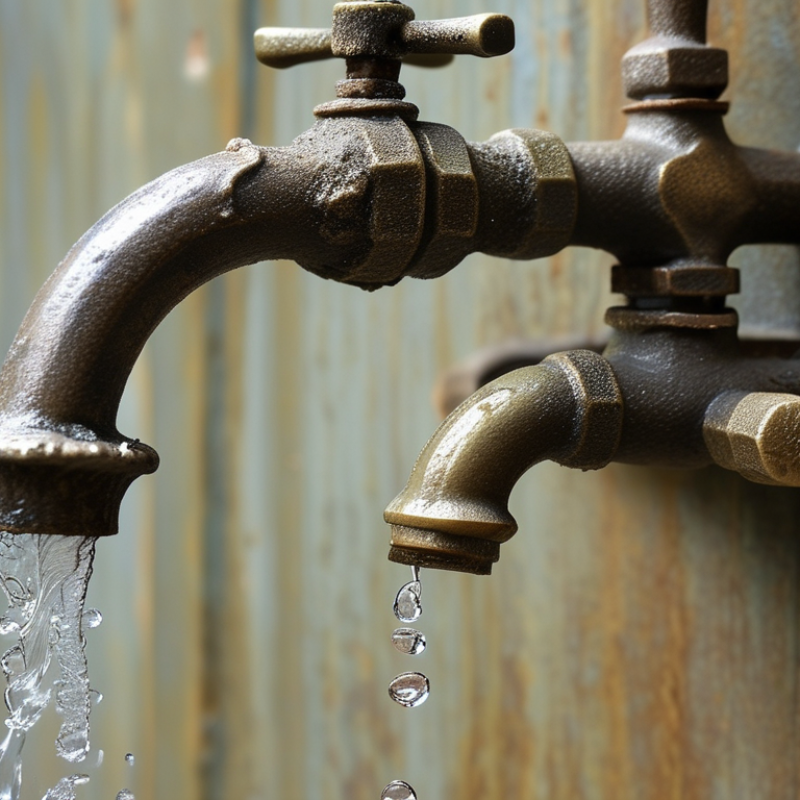
10 Tips to Fix Water Pressure Loss in Your Faucet?

Identifying Common Causes of Water Pressure Loss in Faucets

Water pressure loss in faucets can be frustrating. Understanding the common causes is crucial to resolving the issue effectively. One common reason could be mineral buildup in the aerator. This tiny screen can collect dirt over time, impacting flow. Cleaning or replacing the aerator may restore function.

Another frequent culprit is plumbing issues, such as leaks or clogs. These can happen anywhere in the piping system. If your water pressure is inconsistent, checking your pipes for damages is wise. Turning off the main water supply can help you identify leaks more easily.

To tackle low water pressure, consider these tips. Regular maintenance can prevent many problems. Inspect your faucets for signs of wear. Clean aerators frequently. If pressure is still low, consult a plumbing professional. Their expertise can identify hidden issues. Don't forget about the water supply valves. Ensure they’re fully open for optimal pressure.

Step-by-Step Guide to Inspecting Faucet Components for Blockages

Inspecting faucet components is crucial for fixing water pressure loss. Start by turning off the water supply. Remove the faucet handle. You'll often find screws under decorative caps. Use a small screwdriver for this task. Once the screws are out, pull off the handle gently.

Next, check the aerator. This small screen can become clogged with debris. Rinse it under running water and use a toothbrush for stubborn buildup. If the aerator looks clean, look deeper. Remove the cartridge or valve seat. Mineral deposits can create blockages here. Soak these parts in vinegar for a few hours.

Finally, reassemble the faucet and turn the water back on. Watch for leaks. If water pressure is still low, there may be an issue with your plumbing. Ensure there are no hidden leaks or valve issues in the pipeline. Remember, regular maintenance can prevent larger problems in the future. Keeping an eye on your faucet's operation can save you time and money in the long run.

How to Clean Aerators and Screens for Improved Water Flow

A common issue homeowners face is reduced water pressure in faucets. Often, the problem lies in the aerators and screens. These components can trap debris and minerals over time, leading to diminished flow. Studies show that nearly 30% of households experience water pressure issues due to clogged aerators.

Cleaning aerators is a simple yet effective solution. Start by unscrewing the aerator from the faucet. Inspect it for sediment build-up. Use a soft brush or cloth to wipe away any deposits. Soaking the aerator in vinegar for about 30 minutes can dissolve mineral buildup. It’s essential to rinse thoroughly before reattaching. Make sure the rubber washers are intact to prevent leaks.

Regular maintenance is key. Experts recommend checking aerators every six months. Not everyone does this, leading to recurring pressure issues. Neglect can result in more significant plumbing problems. A simple cleaning routine can avoid costly repairs down the line. Taking these steps helps ensure optimal water flow and pressure in your home.

Water Pressure Loss in Faucets: Causes and Solutions

This chart illustrates the various causes of water pressure loss in faucets, with their respective impact level represented as a percentage. Addressing these issues can help restore normal water flow.

Techniques for Adjusting Pressure Regulator Valves in Your Plumbing

When dealing with water pressure loss in your faucet, understanding pressure regulator valves is crucial. These valves play a key role in controlling water flow. According to the American Society of Mechanical Engineers, improper adjustments can lead to pressure loss by up to 50%. This impacts your daily tasks, like washing dishes or filling a tub.

To adjust the pressure regulator, first locate it, typically near the main water line. Make sure to turn off the water supply before starting. Use a wrench to loosen the adjusting screw. Small adjustments can make a significant difference. A quarter-turn can raise pressure noticeably. Data from the Plumbing-Heating-Cooling Contractors Association indicates that even minor tweaks can restore optimal flow.

Monitoring your water pressure is essential. A drop below 40 PSI often indicates the need for adjustments. However, not every drop in pressure is due to valve issues. Clogged pipes or sediment buildup can also contribute. Regular maintenance is necessary to prevent these problems from escalating. Be aware that over-adjusting can lead to unwanted consequences. Keeping track of changes over time can help identify whether an adjustment has resolved the issue or made it worse.

10 Tips to Fix Water Pressure Loss in Your Faucet

Tip Number Description Expected Outcome
1 Check for Faucet Aerator Clogs Improved water flow
2 Inspect the Supply Valve Restored normal pressure
3 Examine the Plumbing for Leaks Reduced water waste
4 Clear Clogs in Pipe Improved flow rate
5 Adjust the Pressure Regulator Enhanced pressure delivery
6 Replace Damaged Hoses Eliminated leaks
7 Install a Water Pressure Booster Increased overall pressure
8 Evaluate Municipal Water Pressure Identified external issues
9 Check for Incorrectly Sized Pipes Optimized flow
10 Consult a Professional Plumber Expert resolution

When to Seek Professional Help for Persistent Faucet Water Pressure Issues

If you're experiencing persistent issues with low water pressure in your faucet, it's essential to assess when to seek professional help. Sometimes, simple fixes can solve the problem quickly. However, multiple attempts at DIY solutions might indicate deeper issues. Constantly tinkering can lead to frustration and additional issues.

Signs that you should call a professional include inconsistent pressure, strange noises from your plumbing, or damp spots around pipes. If the problem persists after trying various adjustments, a plumbing expert can diagnose underlying issues. They can uncover problems like pipe corrosion or mineral build-up, which typically require specialized tools and knowledge to address.

Seeking help ensures that you don’t overlook significant plumbing issues, such as leaks or faulty valves. While your intuition might suggest a DIY approach, some problems require a professional's eye. Ignoring warning signs can result in costly repairs down the line. Taking action early can save you time and money, allowing the expert to restore optimal water flow efficiently.

FAQS

: What causes water pressure loss in faucets?

: Common causes include mineral buildup in the aerator and plumbing issues like leaks or clogs.

How do I clean a clogged aerator?

Remove the aerator from the faucet. Rinse it under water and scrub with a toothbrush for stubborn dirt.

What should I do if my water pressure is inconsistent?

Check your pipes for leaks or damage. Turn off the main water supply to identify leaks more easily.

How often should I inspect my faucet?

Regular inspections can prevent issues. Check for wear and clean aerators frequently.

What materials can block faucet components?

Mineral deposits and dirt can accumulate, creating clogs in the aerator or cartridge.

What should I do after cleaning faucet components?

Reassemble the faucet, turn the water back on, and check for leaks in the system.

When is it wise to consult a plumbing professional?

If you still experience low pressure after basic cleaning, seek expert help for hidden plumbing issues.

Can valve issues affect water pressure?

Yes, ensure all water supply valves are fully open for optimal pressure before troubleshooting further.

What if I find leaks during inspection?

Address leaks immediately to prevent further water pressure loss and damage to your plumbing system.

Is regular faucet maintenance really necessary?

Yes, it can save you from larger problems and repairs down the line.

Conclusion

Loss of water pressure in faucets can be frustrating, leading many homeowners to ask, "Why is my faucet losing water pressure?" Common causes include blockages in the faucet components, such as aerators and screens, and issues with plumbing pressure regulators. To effectively troubleshoot the problem, it is essential to inspect the faucet for any visible blockages and clean the aerator to ensure smooth water flow.

A step-by-step approach is recommended for addressing these issues. Cleaning aerators and screens can significantly improve water flow, while adjusting pressure regulator valves may also restore proper water pressure. However, if these techniques do not resolve the issue, seeking professional help may be necessary to identify and fix any underlying plumbing problems. By following these tips, you can restore your faucet's water pressure and improve your daily water use experience.

Amelia

Amelia

Amelia is a seasoned marketing professional with a wealth of expertise in our company’s core offerings. With an unwavering passion for driving growth and innovation, she plays a pivotal role in shaping our marketing strategies and enhancing brand visibility. A key aspect of her responsibilities......