Why are Touchless Faucets Growing in Popularity?

Time:2026-03-04 Author:Ethan
0%

In recent years, homeowners and businesses alike have embraced a new trend in restroom and kitchen fixtures. Touchless faucets are taking the spotlight. People are increasingly asking, "Why are touchless faucets becoming popular?" This popularity stems from several reasons.

Firstly, touchless faucets promote cleanliness. They reduce the spread of germs, an essential aspect in today's world. With a simple wave of the hand, water flows, eliminating the need to touch potentially contaminated handles. This feature is especially crucial in public spaces, where hygiene is paramount.

Additionally, touchless faucets enhance convenience. They offer a modern touch to any sink area. Users appreciate the effortless operation, particularly when hands are full or messy. However, these faucets aren't without their issues. Some can be overly sensitive or malfunction. Yet, many believe the benefits outweigh these minor inconveniences. As society becomes more health-conscious, the rise of touchless faucets seems inevitable.
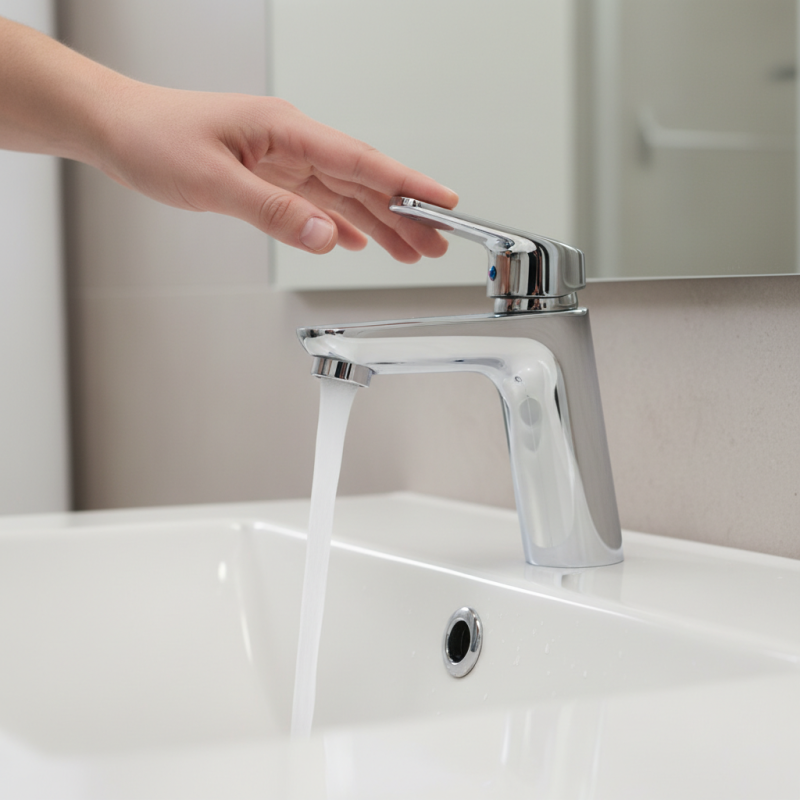
Why are Touchless Faucets Growing in Popularity?

Factors Driving the Popularity of Touchless Faucets

Touchless faucets have steadily gained traction in homes and public spaces. Their appeal lies in hygiene and convenience. In a world increasingly concerned about cleanliness, touchless faucets help reduce the spread of germs. Users no longer need to touch handles with potentially contaminated hands. This innovation appeals to health-conscious individuals.

Another factor is the convenience of hands-free operation. Busy kitchens and bathrooms benefit from the ease of use. Imagine cooking with dirty hands and needing to turn on the faucet. With a simple wave, water flows. This convenience encourages more people to consider touchless options.

Tips: When choosing a touchless faucet, consider your home’s water pressure. Some models may not work well with low pressure. Regular cleaning of the sensor area is vital to maintain functionality. Occasionally, users need adjustments or recalibration to prevent malfunction. Being aware of these aspects ensures a smoother experience with touchless technology.

The Health and Hygiene Benefits of Touchless Faucets

The rise of touchless faucets is undeniable. These faucets offer significant health and hygiene benefits. According to a study by the American Journal of Infection Control, 80% of germs are transmitted via hands. Touchless faucets reduce direct contact, lowering the risk of spreading bacteria.

This technology is particularly beneficial in public spaces. Hospitals, schools, and restaurants can minimize cross-contamination. A report from the Centers for Disease Control and Prevention indicates that proper hand hygiene can reduce infections by up to 30%. Touchless faucets encourage frequent handwashing, as users no longer need to touch handles. This feature aligns perfectly with the growing emphasis on cleanliness.

However, the initial costs can be a concern. Installation may seem expensive for some institutions. Maintenance of touchless systems requires regular checks to ensure they function properly. But, the benefits often outweigh these drawbacks. Healthier environments can lead to significant savings in healthcare costs over time. Touchless faucets can be a simple yet effective solution for hygiene challenges.

Why are Touchless Faucets Growing in Popularity? - The Health and Hygiene Benefits of Touchless Faucets

Feature Benefit Hygiene Rating (1-5) Energy Efficiency (1-5)
Hands-Free Operation Reduces the spread of germs and bacteria 5 4
Motion Sensor Technology Enhances convenience and reduces water waste 4 5
Automatic Shut-Off Prevents water wastage 4 5
Temperature Control Ensures safety from scalding 5 4
Low Flow Rate Conserves water usage 4 4

Technological Advancements in Touchless Faucet Design

Touchless faucets are becoming a common sight in both homes and businesses. This rise can largely be attributed to technological advancements that enhance their design and functionality. Infrared sensors are now more sensitive and reliable, allowing for seamless operation. Users can simply place their hands near the faucet to activate the water flow, promoting hygiene and convenience.

These faucets also offer energy-saving features. Smart technology enables them to conserve water by automatically shutting off when not in use. This is an excellent way to reduce waste. However, some users might experience issues with sensor sensitivity in certain conditions. Reflections or nearby movements can inadvertently trigger the water flow.

Tips for choosing a touchless faucet include considering installation requirements and power options. Some models run on batteries, while others may require a direct power source. Ensure your kitchen or bathroom setup can accommodate these features. Additionally, take time to read user reviews, as experiences can vary. This will help you find a faucet that meets your needs without unforeseen frustrations.

Environmental Impact and Water Conservation with Touchless Faucets

Touchless faucets are gaining traction as more people recognize their benefits for water conservation. These innovative fixtures reduce water usage significantly. They detect hands and automatically dispense water, minimizing waste. During peak times, faucets can run unnecessarily, leading to excess water usage. Touchless technology addresses this issue effectively.

The environmental impact of touchless faucets is notable. Water is a precious resource, and reducing waste helps combat shortages. Many homes and businesses face challenges with water supply. Touchless faucets contribute to sustainability efforts. Some studies suggest they can cut water consumption by up to 30%. However, not all devices work perfectly, and there can be instances of malfunction. Sensors might fail or not detect movement properly, leading to frustration.

Moreover, installation may not always be straightforward. Some people struggle with the technology or face additional costs for plumbing adaptations. While the allure of touchless convenience is strong, it's essential to weigh practicality. A deeper understanding is needed regarding long-term maintenance and potential issues. Many users find themselves torn between convenience and reliability. Balancing these aspects is crucial as we embrace modern solutions for age-old problems.

Emerging Trends and Future Prospects for Touchless Faucets

The rise of touchless faucets is reshaping modern bathrooms and kitchens. According to industry reports, the global market for touchless faucets is projected to grow by over 10% annually from 2022 to 2028. This trend is driven by the increasing demand for hygiene and convenience in homes and public spaces.

One reason for the surge is the emphasis on sanitation. Touchless faucets minimize contact with surfaces, reducing the spread of germs. A survey by the Hygiene Council noted that 70% of people prefer touchless interfaces in shared bathrooms. Designers are increasingly focusing on ergonomic and aesthetic elements, blending technology with style.

Tip: When considering a touchless faucet, think about the sensor's responsiveness. User-friendly options can enhance convenience while ensuring efficient water use.

Alongside hygiene and ease, sustainability is shaping future designs. Many models now use lesser water and come with eco-friendly certifications. However, the integration of electronics can lead to failures, raising concerns about longevity.

Tip: Choose models that offer warranty and reliable customer service. This can make a significant difference in your long-term satisfaction.

These evolving needs highlight a future where touchless technology becomes a standard in everyday life.

FAQS

: What are the main benefits of touchless faucets?

: Touchless faucets enhance hygiene by reducing germ transmission and offer convenience with hands-free operation.

How do touchless faucets promote hand hygiene?

By minimizing direct contact, touchless faucets encourage frequent handwashing, lowering the risk of bacterial spread.

What should I consider when choosing a touchless faucet?

Check your water pressure and ensure the faucet suits your kitchen or bathroom setup before purchasing.

Are touchless faucets effective in public spaces?

Yes, they help reduce cross-contamination in busy areas like hospitals and schools, promoting healthier environments.

What maintenance do touchless faucets require?

Regular cleaning of the sensor area and occasional recalibration can prevent malfunctions and maintain functionality.

Are there any downsides to touchless faucets?

Initial installation costs can be high, and some users may face issues with sensor sensitivity due to reflections.

How do touchless faucets save water?

Smart technology allows them to automatically shut off when not in use, reducing water waste effectively.

What types of power options are available for touchless faucets?

Some models use batteries, while others require a direct power source; consider this before installation.

Can using a touchless faucet lead to frustration?

Yes, sensor sensitivity issues can occur, sometimes leading to unintended water flow and inconvenience for users.

How can I ensure I select a reliable touchless faucet?

Read user reviews and consider functionality to avoid any unforeseen frustrations related to performance.

Conclusion

In recent years, the question "Why are touchless faucets becoming popular?" has garnered significant attention as more consumers and businesses recognize the advantages of this innovative technology. Factors driving their popularity include a growing emphasis on health and hygiene, especially in public spaces where minimizing contact with surfaces can reduce the spread of germs. Touchless faucets provide a more sanitary experience, making them an attractive option for health-conscious individuals.

Technological advancements have further improved the design and functionality of touchless faucets, enhancing user experience with features such as improved sensors and water efficiency. These faucets also contribute to environmental conservation efforts, as they often use less water compared to traditional models, aiding in water scarcity issues. As emerging trends suggest a continued interest in automation and smart home devices, the future of touchless faucets looks promising, indicating that their use will likely expand in both residential and commercial settings.

Ethan

Ethan

Ethan is a seasoned marketing professional with a deep expertise in our company's innovative product line. With a passion for sharing knowledge and insights, he takes the lead in regularly updating our corporate blog, where he explores industry trends, product features, and effective marketing......