Limescale build-up on faucets can be a frustrating household issue. It affects the appearance and functionality of your fixtures. Knowing how to remove limescale from faucets can restore their shine and efficiency. This guide presents ten effective methods for tackling this common problem.
Cleaning limescale doesn't have to be complicated. Many simple household items can be effective. You can use vinegar, lemon juice, or baking soda to help dissolve mineral deposits. Each method has its own strengths and considerations. Some might work better for you than others.
It's also important to reflect on your cleaning routine. Regular maintenance can prevent severe limescale build-up. A little effort now can save you time later. While these methods can be very effective, they may not yield perfect results. Experimentation is key to finding what works best for your specific situation.
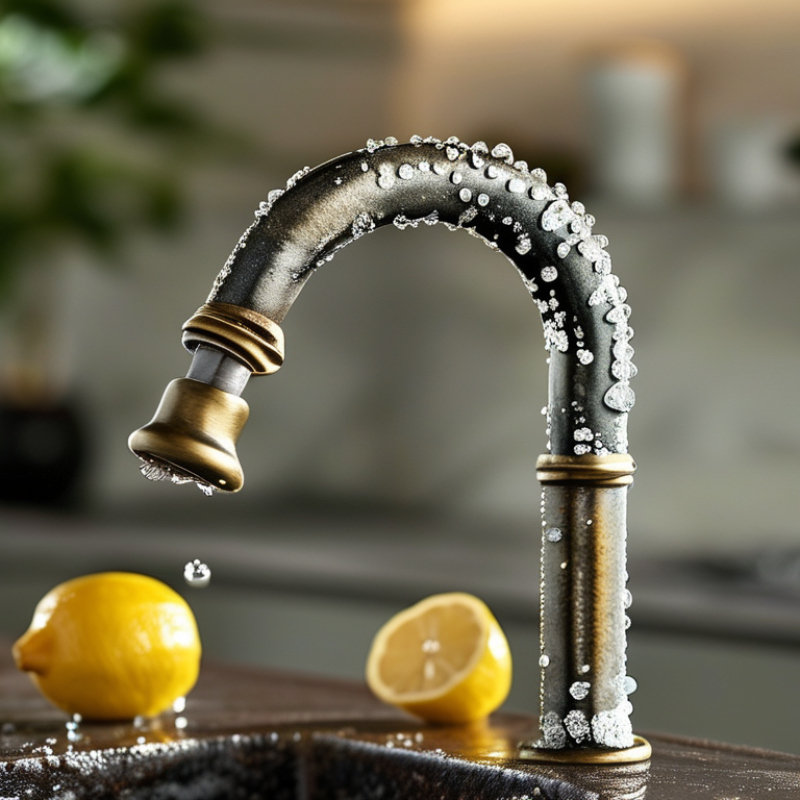
Limescale is a common issue found in many households. It primarily originates from hard water, which contains high levels of calcium and magnesium. Over time, these minerals accumulate on faucet surfaces, creating unsightly and potentially damaging deposits. Research indicates that limescale buildup occurs in 70% of homes with hard water. This mineral accumulation not only impacts the aesthetics of faucets but can also hinder their performance.
The presence of limescale can reduce water flow and pressure. In extreme cases, it leads to costly repairs or replacements. Studies suggest that untreated limescale can reduce faucet efficiency by up to 30%. Homeowners often overlook this issue until it becomes too severe. Regular cleaning is essential to maintain faucet functionality. However, some may find it challenging to effectively address limescale buildup. The challenge lies in balancing effective cleaning methods with the concern of damaging fixtures.
Certain methods could remove limescale quickly but may lack thoroughness. Vinegar and baking soda are commonly suggested, yet they may not be enough for extensive buildup. Home maintenance should include preventive measures too. A water softener can help reduce the hardness levels, but many hesitate to invest in this solution. Regular awareness and attention to limescale can lead to improved home efficiency and aesthetics. Although often neglected, this small detail significantly impacts overall plumbing health.
: White vinegar works well. Its acetic acid dissolves mineral deposits effectively.
Mix baking soda with water to form a paste. Apply it to the affected areas and scrub gently.
Yes, lemon juice has citric acid that breaks down limescale easily. Apply it directly to the spots.
You may need to repeat the cleaning process. Some stubborn spots take more effort to remove.
Regularly wipe down faucets with a dry cloth. This helps remove moisture that leads to buildup.
Yes, it reduces water hardness, leading to less limescale accumulation over time.
Ignoring it can lead to stubborn deposits that are harder to clean later on.
Regular checks are important. Leaks can create conditions that promote limescale buildup.
Yes, using a squeegee after each use decreases moisture on surfaces, reducing future buildup.
Choosing fixtures that resist limescale can lead to longer-lasting installations and less frequent cleaning.
In the article titled "Top 10 Ways to Remove Limescale from Faucets Easily," we delve into the causes and effects of limescale buildup on faucets, highlighting how it can affect both appearance and functionality. The article provides practical insights on how to remove limescale from faucets, utilizing common household items like vinegar, baking soda, and lemon juice. A step-by-step guide illustrates the effectiveness of vinegar in cleaning, while alternative methods offer varied solutions for those looking for different approaches.
Additionally, the article emphasizes preventative tips to reduce future limescale build-up, ensuring that readers can maintain their faucets in optimal condition. By understanding the underlying issues and employing simple cleaning techniques, anyone can tackle limescale effectively and prolong the life of their fixtures.

 Zhishang Sanitary Ware