Faucets are essential fixtures in every household, yet many face the common issue of rust and corrosion. This raises the question, "Why do faucets rust or corrode over time?" In China, where humidity and varying water quality are prevalent, these problems become even more pronounced.
The materials used in faucet construction play a significant role in their longevity. Brass and stainless steel are common choices, but lower-quality metals can lead to quicker deterioration. Additionally, poor installation can exacerbate these issues. Water with high mineral content can corrode metal surfaces, leading to unsightly stains and damage. Understanding these factors is critical for maintenance.
Regular checks and maintenance can extend a faucet's life. However, many homeowners overlook this aspect. When a faucet begins to show signs of wear, it’s often ignored. Not addressing these early signs can lead to costly replacements later. Learning "why do faucets rust or corrode over time" can empower homeowners to take proactive measures, ensuring their fixtures remain functional and aesthetically pleasing.
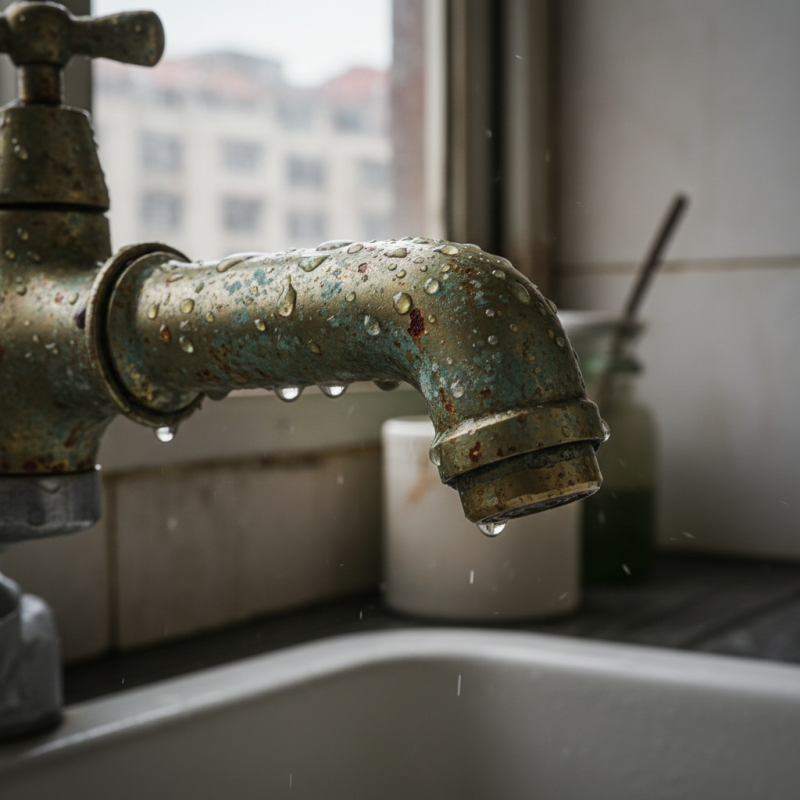
Factors Contributing to Faucet Rust and Corrosion in China
Faucets in China often face rust and corrosion issues. Several factors contribute to this problem. One major reason is the quality of materials used. Many faucets are made from metals that are not corrosion-resistant. A report from the China National Building Material Industry Association indicates that around 30% of plumbing fittings have quality issues. This compromises their durability and lifespan.
Water quality also plays a crucial role. High levels of chlorides and other minerals can accelerate corrosion. According to data from the Ministry of Ecology and Environment, some regions in China have water with high salinity. This environment is harmful to metal faucets, promoting rust.
Moreover, humid conditions contribute to corrosion. In coastal areas, humidity levels can exceed 85%. This moist air can quickly corrode susceptible metals. Regular maintenance can help, but many homeowners overlook this need. Awareness of these factors is essential for making informed decisions. Choosing robust materials and monitoring water quality are steps that can mitigate rust issues.
The Role of Water Quality in Faucet Longevity and Corrosion Rates
Water quality plays a crucial role in the longevity of faucets. In China, tap water can vary greatly in mineral content.
Hard water, rich in calcium and magnesium, can lead to hard deposits. These deposits create an abrasive environment, causing scratches and facilitating corrosion.
Chlorine and other chemicals used in water treatment can also contribute to rust. Over time, these substances react with faucet materials. Some faucets, especially those made from cheaper metals, are more susceptible to this reaction. Regular exposure to harsh water conditions accelerates wear and tear.
Regular maintenance is essential to mitigate these issues. Homeowners can benefit from installing water softeners or filters. Such devices can reduce hardness and chemical content. However, the efficacy of these solutions may vary based on individual circumstances.
Dedicating time to understand local water conditions is key. Often, small changes can lead to better faucet longevity.
Corrosion Resistance of Common Faucet Materials Used in China
Corrosion resistance is crucial for faucets, especially in China. The country's diverse water quality and environmental factors can accelerate rusting and corrosion. Common materials used in faucet manufacturing include brass, stainless steel, and plastic. Each has distinct properties that influence longevity and performance.
Brass is a popular choice due to its durability. However, it contains copper, which can corrode when exposed to low pH water. According to the National Association of Home Builders, brass can last several decades, but improper water chemistry shortens this lifespan. Stainless steel offers better corrosion resistance. It contains chromium, which forms a protective layer against rust. Reports suggest that faucets made from high-quality stainless steel can last a lifetime. Nevertheless, low-grade versions may still rust over time.
Plastic faucets are lightweight and inexpensive. They resist rusting but struggle with durability against high water pressure. Industry data shows that while they might not corrode visually, internal degradation could occur, leading to leaks. Choosing the right material is essential. Many homeowners overlook this aspect, leading to premature faucet failures. Awareness of the materials and their limitations can help users make informed decisions.
Why Do Faucets Rust or Corrode Over Time in China? - Corrosion Resistance of Common Faucet Materials Used in China
| Material |
Corrosion Resistance |
Common Issues |
Lifespan |
| Stainless Steel |
High |
Scratches, Water Stains |
15-20 years |
| Brass |
Moderate |
Rust, Green Patina |
10-15 years |
| Chrome-Plated |
Moderate |
Peeling, Hazing |
5-10 years |
| Plastic |
Low |
Cracking, Discoloration |
3-5 years |
| Zinc Alloy |
Low |
Corrosion, Weakness |
3-7 years |
Impact of Environmental Conditions on Faucet Durability and Rusting
Faucets can develop rust and corrosion over time, particularly in areas with harsh environmental conditions. In China, humidity and air pollution can significantly impact faucet durability. The moisture in the air encourages rust formation, especially on metal surfaces. Additionally, pollutants can accelerate the degradation process by creating corrosive compounds when they interact with water.
Tips: Regular cleaning is essential. Use non-abrasive cloths to wipe down faucets frequently. Avoid harsh chemicals that can strip protective finishes.
Water quality is another critical factor. Hard water contains minerals like calcium and magnesium, which can accumulate and create deposits. These deposits not only affect water flow but also promote rusting. Inspecting faucets for buildup and addressing water hardness can improve longevity.
Tips: Consider installing water softeners to minimize the effects of hard water. Routine maintenance can help identify potential issues early.
Preventive Measures to Reduce Faucet Rust and Corrosion in Urban Areas
Faucets in urban China face significant rust and corrosion issues. The primary culprits are high moisture levels and chemical pollutants in water. Many homes use metal faucets, which are vulnerable to these factors. Therefore, understanding preventive measures is crucial.
Regular maintenance can greatly reduce corrosion risks. Homeowners should clean faucets regularly, using mild detergents. Avoiding harsh chemicals is important as they can exacerbate corrosion. Additionally, ensuring good ventilation in kitchens and bathrooms can help control moisture.
Choosing the right materials is essential as well. Stainless steel or brass faucets can offer better resistance to rust. Even so, these materials are not completely immune. Regular inspection for signs of wear can provide early detection of potential problems. Implementing these measures can enhance faucet longevity and reduce replacement frequency.
FAQS
: Rust and corrosion in faucets are mainly caused by low-quality materials. Many faucets are not made to resist corrosion.
Poor water quality, especially high chloride levels, can speed up corrosion in faucets. Hard water deposits also contribute.
High humidity and air pollution can lead to faster rust formation on faucets. Moisture in the air is particularly damaging.
Regular cleaning with non-abrasive cloths is vital. Avoid harsh chemicals that can strip protective coatings.
Stainless steel and brass are more resistant to rust compared to other metals. However, they still require regular maintenance.
Regular inspections can help detect early signs of wear. This practice can prevent serious problems down the line.
Ensuring good ventilation in kitchens and bathrooms helps reduce moisture. Installing water softeners can also minimize the effects of hard water.
Homeowners should avoid using harsh chemicals. These can cause more harm than good to the faucet's finish.
Coastal areas often have humidity levels over 85%, which can accelerate corrosion on metal surfaces quickly.
No faucet material is entirely immune to rust. Regular maintenance and monitoring are essential for longevity.
Conclusion
Faucets are essential fixtures in households, yet many people wonder, "Why do faucets rust or corrode over time?" In China, several factors contribute to this problem, including the quality of water, the materials used in faucet construction, and environmental conditions. Hard water containing high mineral content can accelerate corrosion, while common materials like brass or chrome-plated finishes offer varying degrees of resistance to rust. Additionally, fluctuations in humidity and exposure to corrosive substances in urban environments can further degrade faucet durability.
To mitigate rust and corrosion, it is crucial to implement preventive measures such as regular maintenance, using water softeners, and selecting high-quality faucet materials designed to endure environmental stressors. Understanding the underlying reasons behind faucet corrosion can lead to more informed choices for longer-lasting fixtures and improved water quality in homes.

 Zhishang Sanitary Ware