Why Are Touchless Faucets Becoming So Popular?

Time:2026-09-24 Author:Aria
0%

Why Are Touchless Faucets Becoming Popular? The answer begins at the sink: a hand moves beneath the spout, water flows, and no handle needs a touch. That small change can make everyday handwashing feel cleaner and easier, especially in busy kitchens and shared bathrooms. It may also help reduce water waste when users remember to switch the faucet off. But touchless models are not automatically more hygienic or efficient; upkeep, sensor accuracy, and installation all matter.

Microbiologist Dr. Charles Gerba studies how microbes spread in everyday environments. The following is an editorial paraphrase, not a verbatim quotation: “Reducing contact with frequently used surfaces can be one practical part of better hygiene.” That perspective helps explain why the technology appeals to homeowners and facility managers. It does not mean a sensor faucet eliminates germs. A sensor can misread a small hand, and mineral deposits may affect performance. Real benefits depend on thoughtful design and regular cleaning.

This guide explores the practical reasons behind the trend, from convenience and perceived hygiene to water control and accessibility. It also looks at the trade-offs buyers should consider before choosing a model. Touchless can feel effortless. It still needs care.
Why Are Touchless Faucets Becoming So Popular?

What Is a Touchless Faucet?

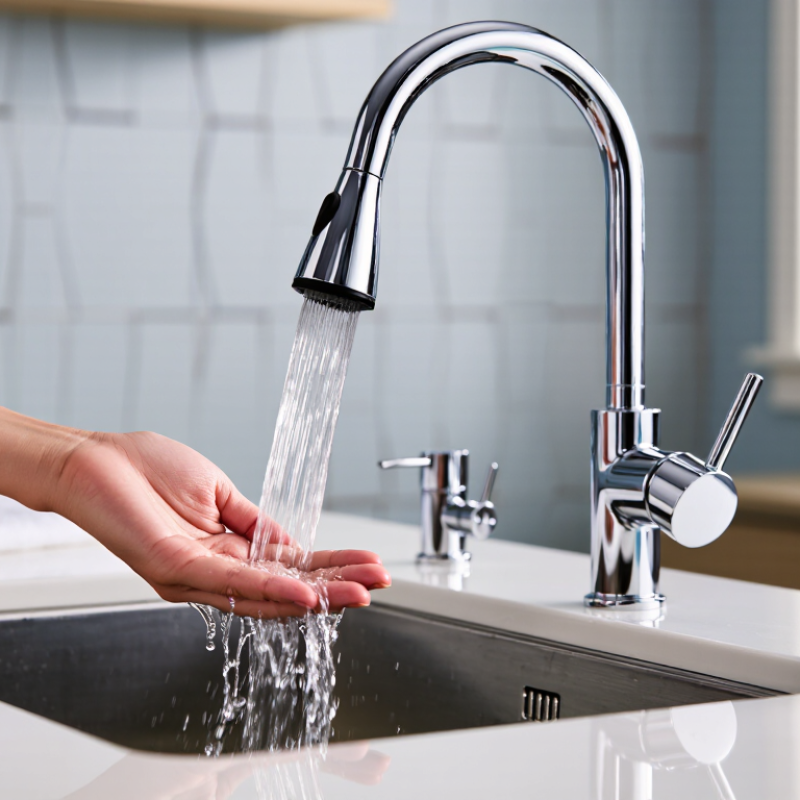
A touchless faucet is a sink tap that starts and stops water flow without a hand turning a handle. Most use an infrared sensor near the spout or base. When a hand enters its detection zone, an electronic valve opens; when the hand moves away, the valve closes. The brief stream can help with messy tasks, such as rinsing sticky dough from your fingers. It can also reduce contact with a handle, though it does not make the sink itself germ-free.

The sensor, power source, and valve work together. Some models use batteries; others connect to household power. Detection distance and shutoff timing vary, so a faucet may need adjustment for a particular sink. It may also react imperfectly to reflective surfaces or unusual hand positions.

That matters. The U.S. Environmental Protection Agency’s WaterSense specification sets a maximum flow rate of 1.5 gallons per minute for labeled bathroom faucets, compared with the federal standard of 2.2 gallons per minute.

EPA says WaterSense-labeled faucets use at least 30% less water. This figure describes flow performance, not touchless technology itself; a sensor alone does not guarantee water savings.

How Do Touchless Faucets Detect and Control Water Flow?

Touchless faucets usually detect hands with an infrared sensor near the spout or base. The sensor sends out light and reads what returns when an object enters its range. A hand beneath the spout changes that signal, prompting a control unit to open an internal solenoid valve. Water flows only while the sensor continues to register movement, though some models use a timed cycle.

Small details matter. A wet sleeve, a shiny sink surface, or strong light can sometimes affect detection, depending on the design. The faucet’s sensor range and shutoff delay are usually adjustable, but settings vary by model. Keep the sensor area clean. Soap film can interfere.

When hands move away, the sensor signal changes and the valve closes, stopping the flow. The response is quick, but not magical: batteries may weaken, and electrical models need a reliable power connection. In everyday use, a brief pause before water starts can feel odd. It may also take a little practice to find the sensor’s active zone. Check the manufacturer’s care instructions before cleaning, since abrasive products can damage sensor windows or finishes.

What Features and Benefits Are Driving Their Popularity?

Touchless faucets are gaining attention because they make routine handwashing easier and reduce contact with shared handles. A motion sensor starts the water when hands move beneath the spout, then stops it when they move away. That small change is useful in busy kitchens and bathrooms, especially when hands are sticky or soapy. Less touching can limit one route for transferring germs, but it does not replace proper handwashing. The CDC recommends scrubbing with soap for at least 20 seconds. Sensors help with convenience, not hygiene by themselves.

Water use is another practical draw. The U.S. Environmental Protection Agency’s WaterSense program says certified bathroom faucets use at least 20% less water than standard models, which are limited to 2.2 gallons per minute under federal requirements. Sensor controls can prevent water from running while someone reaches for soap or a towel. Still, results depend on the faucet’s flow rate, sensor placement, and household habits. A slow sensor can be irritating; a faucet that switches off mid-rinse is worse. Touchless does not automatically mean water-efficient, so checking the product’s WaterSense certification and flow rate matters. There is a learning curve.

What Challenges Should Buyers Consider?

Touchless faucets appeal to households and public facilities because users can start water flow without touching a handle. But convenience depends on careful installation and regular upkeep. Infrared sensors may react poorly to dark, reflective, or closely spaced objects. A basin crowded with soap bottles can also trigger unwanted flow. These small annoyances matter in daily use. Sensor models may require batteries or a nearby power connection, and battery changes can be awkward beneath a cramped sink. Repair costs and replacement-part availability deserve attention before purchase.

Water savings are not automatic. The U.S. Environmental Protection Agency’s WaterSense faucet specification sets a maximum flow rate of 1.5 gallons per minute, compared with the federal standard of 2.2 gallons per minute for bathroom faucets. A touchless model can still exceed efficient-use targets or run longer than expected if its sensor is poorly calibrated. Check the listed flow rate, shutoff behavior, and warranty terms. Ask a plumber whether the sink layout and power supply suit the model. A quick test in a showroom may not reveal how it behaves with wet hands or changing light.

Tips: Keep the sensor window clean with a soft cloth, and check the manual for battery type and service access. Test the activation range before final installation. It is easy to overlook this. Also consider whether household members prefer manual control; some touchless faucets offer a handle override, but not all do.

Where Are Touchless Faucets Most Commonly Used?

Touchless faucets are most common in busy public restrooms, healthcare facilities, airports, restaurants, and office buildings. These places serve many people, so reducing shared contact points can make daily handwashing easier. A sensor responds when hands move beneath the spout. No handle to turn. In clinics, staff may also value hands-free operation between tasks, though faucets alone cannot replace proper cleaning or hand hygiene.

They are increasingly found in home kitchens and bathrooms, especially where convenience matters. A cook can rinse sticky fingers without touching the tap, while a bathroom sensor may help children use the sink independently. Performance varies, however. Sensors can miss small movements, and batteries or power connections need checking. That part is easy to overlook.

Tips: Match the faucet to its setting. For a high-use public washroom, check sensor range, service access, and replacement-part availability. At home, test the sensor with wet hands before buying. The U.S. Environmental Protection Agency’s WaterSense specifications say certified bathroom faucets use no more than 1.5 gallons per minute, at least 30% less water than the federal standard of 2.2 gallons per minute. This applies to efficient faucet models, not automatically to every touchless faucet. Verify the product’s flow rate and certification details.

FAQS

How do touchless faucets start and stop water flow?

A motion sensor detects hands beneath the spout and starts the water. It stops when hands move away. Convenient, but not magic.

Can touchless faucets improve hygiene?

They reduce contact with shared handles, which may limit one route for transferring germs. Soap and a 20-second scrub still matter.

Do touchless faucets always save water?

No. Savings depend on flow rate, sensor placement, shutoff behavior, and household habits. Check the listed flow rate and efficiency certification.

What flow rates should buyers compare?

The article notes a 1.5-gallon-per-minute maximum for WaterSense-certified bathroom faucets and a 2.2-gallon federal standard. The label deserves a close look.

What can cause unwanted activation?

Dark or reflective surfaces, nearby objects, or a crowded basin may confuse some sensors. Even soap bottles can become part of the problem.

What power and maintenance needs should buyers expect?

Some models use batteries; others need a nearby power connection. Check battery access beneath the sink and clean the sensor window with a soft cloth.

How can buyers test sensor performance?

Test the activation range before installation, ideally with wet hands and changing light. A quick showroom test may miss real-world quirks.

Should a touchless faucet include manual control?

Some models have a handle override, but not all. Consider whether everyone at home prefers sensor control; this detail is easy to overlook.

What should buyers check before installation?

Review warranty terms, replacement-part availability, shutoff behavior, sink layout, and power supply. Ask a plumber if the setup is uncertain.

Conclusion

A touchless faucet is a hands-free fixture that starts and stops water without requiring users to operate a handle. It typically uses an infrared or other proximity sensor to detect hands or objects near the spout, then activates an internal valve to control water flow. When the user moves away, the sensor signals the valve to shut off. This simple interaction can make everyday tasks more convenient and help reduce unnecessary water use.

Why are touchless faucets becoming popular? Their growing appeal comes from the combination of convenience, improved hygiene, and potential water savings. They are especially useful in busy kitchens, shared bathrooms, workplaces, restaurants, healthcare facilities, and public restrooms. However, buyers should also consider factors such as installation requirements, power sources, sensor sensitivity, maintenance, and upfront cost. Choosing a suitable model depends on the space, how often the faucet will be used, and the features that matter most to its users.

Aria

Aria

Aria is a dedicated marketing professional with a deep passion for innovative strategies and a keen understanding of our company's product offerings. With a wealth of experience in the industry, Aria excels at crafting engaging content that highlights the unique features and benefits of our......